 Save
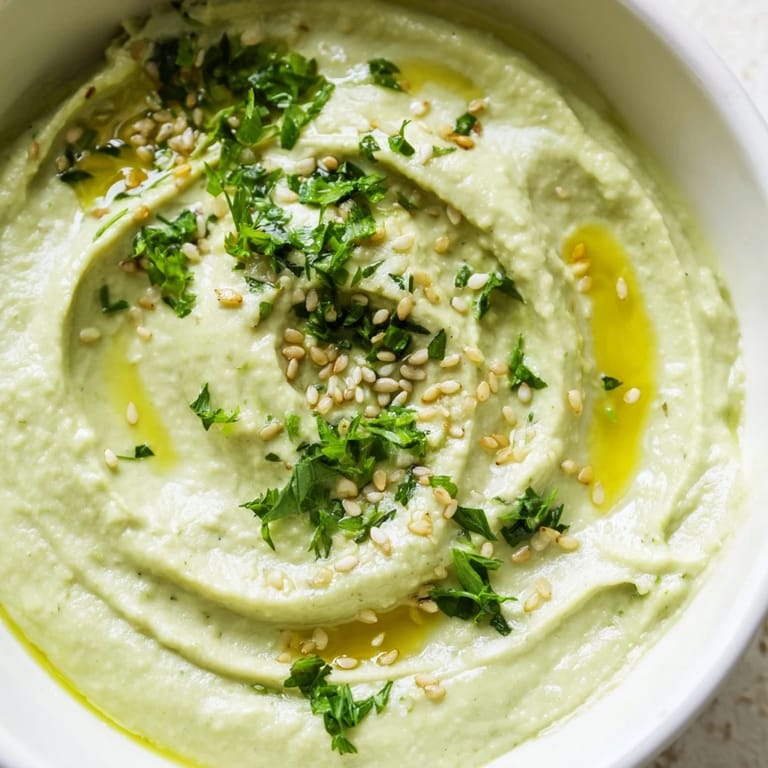
Save I tossed a bag of frozen edamame into my blender one afternoon because I'd run out of chickpeas and guests were arriving in an hour. The result was so smooth and vibrant green that everyone assumed I'd spent the day perfecting it. Now it's become my sneaky shortcut when I want something impressive without the fuss. The color alone makes people curious, and the flavor keeps them coming back. It's proof that some of the best recipes are born from pantry panic.
I brought this to a potluck once labeled as "green hummus" and watched three people argue over whether it was avocado, peas, or herbs. When I finally told them it was edamame, one friend admitted she'd been avoiding it because she thought edamame was complicated. We ate the entire bowl with pita chips while sitting on the kitchen floor, and she texted me the next day asking for the recipe. That's when I realized this dip has the rare power to make people feel both fancy and completely at ease.
Ingredients
- Shelled edamame: Fresh or frozen both work beautifully, just make sure they're fully cooked and tender so the dip stays silky instead of grainy.
- Tahini: This is your creamy backbone, so stir the jar well before measuring because the oil separates and you want that rich, nutty paste.
- Freshly squeezed lemon juice: Bottled lemon juice tastes flat and tired compared to fresh, which adds a bright zing that makes the whole dip come alive.
- Extra-virgin olive oil: Use a good one here since you'll drizzle it on top, and that fruity finish is what people notice first.
- Garlic cloves: Two cloves give a gentle hum of garlic, three make it bold, so adjust based on how much you want to taste it hours later.
- Ground cumin: Just half a teaspoon adds warmth without making it taste like taco night.
- Sea salt: Start with half a teaspoon and taste as you go, because tahini brands vary in saltiness and you can always add more.
- Cold water: This is your texture control, add it slowly until the hummus is creamy enough to swirl but not soupy.
- Toasted sesame seeds and parsley: Optional, but they make the bowl look like it belongs in a cookbook photo.
Tired of Takeout? 🥡
Get 10 meals you can make faster than delivery arrives. Seriously.
One email. No spam. Unsubscribe anytime.
Instructions
- Cook the edamame:
- Boil the edamame for 4 to 5 minutes until they're soft enough to squish easily between your fingers. Drain them and run cold water over them so they stop cooking and stay bright green.
- Blend the base:
- Toss the edamame, tahini, lemon juice, olive oil, garlic, cumin, and salt into your food processor and let it rip until the mixture is completely smooth, scraping down the sides every so often. The goal is zero lumps, so be patient and let the machine work.
- Adjust the texture:
- With the processor running, drizzle in cold water one tablespoon at a time until the hummus loosens into a creamy, swoopable consistency. Stop when it looks like it could hold a swirl but still spread easily.
- Taste and tweak:
- Give it a taste and add more lemon juice if it needs brightness or more salt if it tastes flat. Trust your instincts here, because every lemon and every tahini jar is a little different.
- Serve it up:
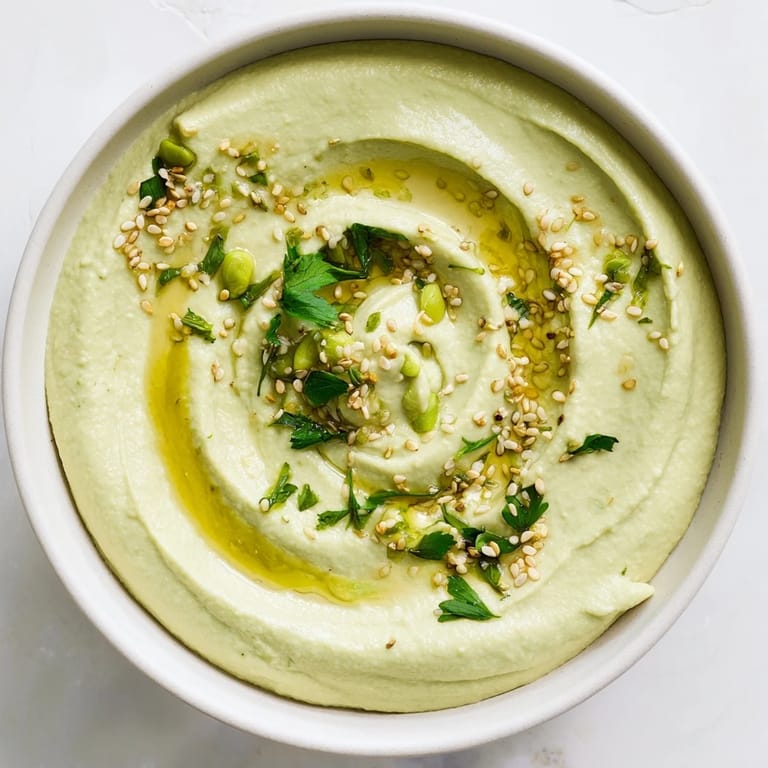
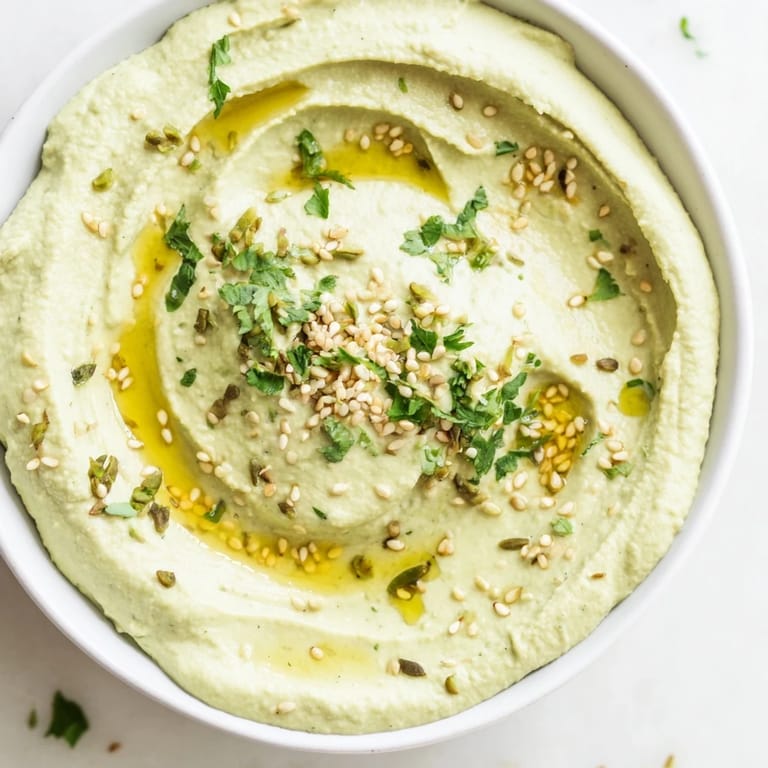
- Scoop the hummus into a shallow bowl, use the back of a spoon to make a little well in the center, then drizzle olive oil into it and scatter sesame seeds and parsley on top. Serve it with pita chips, cucumber slices, or anything crunchy you can find.
 Save
Save My neighbor once told me she'd been buying those tiny expensive tubs of edamame dip from the fancy grocery store for months. When I made this for her and she realized it cost about two dollars and ten minutes, she laughed so hard she snorted. Now she makes double batches and keeps one in her freezer for emergencies, which she defines as any weeknight after six. It's become her signature party trick, and I love that something so simple gave her that kind of kitchen confidence.
Storing and Making Ahead
This hummus keeps beautifully in an airtight container in the fridge for up to four days, though it rarely lasts that long in my house. The texture might thicken up after a day or two, so just stir in a tablespoon of cold water or a drizzle of olive oil to loosen it back up. I've even frozen it in small containers for up to a month, and while the color dulls slightly after thawing, the flavor stays bright and the texture comes back after a good stir.
Flavor Variations to Try
Once you've made the basic version a few times, you'll start seeing how flexible it is. I've stirred in a quarter teaspoon of smoked paprika for a campfire vibe, swapped the parsley for cilantro when I wanted something brighter, and even added a handful of fresh basil once when I had too much from the garden. A pinch of cayenne gives it a gentle kick without overpowering the edamame, and a tablespoon of miso paste deepens the umami if you're feeling adventurous. Just remember to taste as you go, because it's easier to add than to fix an overpowering flavor.
Serving Suggestions
This dip shines with the usual suspects like pita chips, carrot sticks, and bell pepper strips, but I've also smeared it on toast with sliced radishes, used it as a sandwich spread instead of mayo, and even thinned it with a little extra lemon juice to drizzle over roasted vegetables. It's sturdy enough to hold up on a crudité platter for hours without getting watery, which makes it perfect for parties where you don't want to babysit the snack table.
- Serve it alongside other dips like baba ganoush or tzatziki for a Mediterranean spread that looks like you hired a caterer.
- Use it as a creamy layer in wraps or grain bowls where you'd normally add avocado or mayo.
- Thin it slightly and toss it with warm pasta and cherry tomatoes for an almost-instant weeknight dinner.
 Save
Save This edamame hummus has become my answer to almost every last-minute gathering, and I love that it feels special without requiring any fancy skills or ingredients. Keep a bag of edamame in your freezer and you'll always have a reason to invite people over, even on a Tuesday.
Recipe FAQs
- → Can I use frozen edamame instead of fresh?
Yes, frozen edamame works perfectly and is actually more convenient. Simply boil for 4-5 minutes until tender, then drain and cool slightly before blending. The cooking time remains the same.
- → How do I achieve the right consistency?
Start by blending the main ingredients, then gradually add cold water one tablespoon at a time while the food processor is running. Add water slowly until you reach your preferred creamy texture. You may not need all 4 tablespoons.
- → What are good serving options?
This dip pairs wonderfully with pita chips, raw vegetable crudités like carrots and cucumbers, or whole grain crackers. It also works as a savory spread for sandwiches or wraps for added protein and flavor.
- → How should I store leftovers?
Transfer the hummus to an airtight container and refrigerate for up to 4 days. You can also drizzle a thin layer of olive oil on top before storing to help prevent browning and maintain freshness.
- → Can I customize the flavoring?
Absolutely. Try adding 1/4 teaspoon smoked paprika or cayenne for heat. You can also swap parsley for cilantro, adjust lemon juice to taste, or add roasted garlic for deeper flavor complexity.
- → Is this suitable for people with allergies?
This dip is naturally vegan and gluten-free. However, it contains sesame from the tahini, so it's not suitable for those with sesame allergies. Always check packaged ingredients for potential cross-contamination if you have severe allergies.