 Save
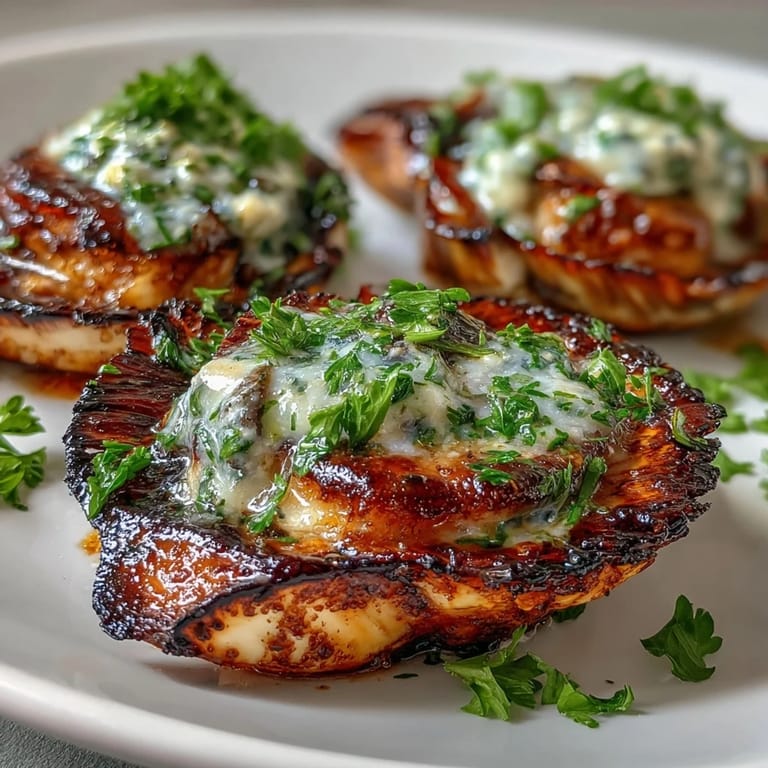
Save My kitchen was absolutely silent that Wednesday evening when I decided to stop ordering scallops from restaurants and finally try making them at home. The fishmonger's recommendation of patting them bone-dry seemed oddly specific until I watched them develop that impossible golden crust in mere minutes, and suddenly everything clicked. There's something almost magical about how quickly this dish comes together—less time than scrolling through dinner ideas, yet it tastes like you've been cooking all afternoon. Now I make these whenever I want to feel a little fancy without the stress, and honestly, they've ruined restaurant versions for me.
I cooked this for my neighbor Sarah who mentioned she'd given up on seafood because every attempt turned into rubbery disappointment. Watching her take that first bite and genuinely pause—not out of politeness, but actual surprise—made me understand why some dishes are worth mastering. She's asked me to make it every time we have plans now, and somehow that simple moment transformed this from just a recipe into something I'm genuinely proud of.
Ingredients
- Large sea scallops (1 lb, about 450 g), patted completely dry: This is the secret nobody talks about—wet scallops will steam instead of sear, and dryness is literally the difference between restaurant-quality and disappointing. Buy them the day you plan to cook and ask the fishmonger if they're dry or wet-packed; dry-packed are worth seeking out.
- Unsalted butter (3 tbsp, divided): Using unsalted lets you control the salt level, and dividing it means you get a crispy sear plus a silky sauce without burning anything.
- Extra-virgin olive oil (2 tbsp): This raises the smoke point so your pan gets hot enough to create that golden crust that makes everything taste professional.
- Garlic (3 cloves, minced): Mince it right before cooking so it doesn't brown and turn bitter while you're searing the scallops.
- Lemon zest and juice (from 1 lemon, plus 2 tbsp juice): Fresh lemon is non-negotiable here—the brightness is what makes this dish sing instead of just tasting buttery.
- Dry white wine or chicken broth (1/4 cup, about 60 ml): Wine adds depth, but broth works beautifully if you prefer to skip alcohol; both deglaze the pan and build flavor.
- Fresh parsley (2 tbsp, chopped): This looks pretty and tastes fresh, but honestly it's also your signal that you've got a restaurant-worthy dish on the plate.
- Salt and freshly ground black pepper, to taste: Season lightly at first since you can always add more, and freshly ground pepper tastes noticeably better than pre-ground.
- Lemon wedges, for serving: Don't skip these—they're not decoration, they're seasoning that guests will actually squeeze over everything.
Tired of Takeout? 🥡
Get 10 meals you can make faster than delivery arrives. Seriously.
One email. No spam. Unsubscribe anytime.
Instructions
- Prepare your scallops like you mean it:
- Pat them thoroughly dry with paper towels—and I mean really dry, not just a quick dab. Season both sides lightly with salt and pepper, remembering that the butter and sauce will add more saltiness later.
- Get your skillet properly hot:
- Heat 1 tablespoon of butter and the olive oil over medium-high heat until the oil shimmers and almost dances in the pan. This usually takes about 2 minutes, and you'll know it's ready when a tiny piece of scallop sizzles immediately.
- Sear without moving them:
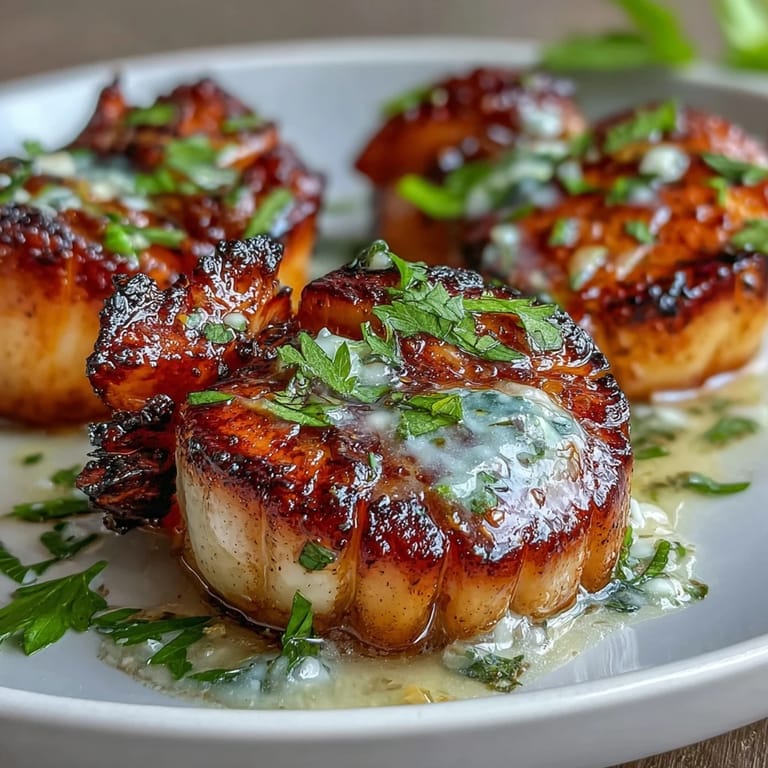
- Lay the scallops in a single layer and then resist every urge to touch them for 2 to 3 minutes while that golden crust develops. If your skillet is crowded, cook in two batches because crowding makes them steam, not sear.
- Flip and finish the sear:
- Once you flip them, they only need another 1 to 2 minutes—they're done when they look opaque and feel slightly firm when you gently press one. Transfer them to a plate and cover loosely with foil to keep them warm while you make the sauce.
- Build the sauce in the same skillet:
- Reduce the heat to medium, add the remaining 2 tablespoons of butter, and let it melt while you add the minced garlic. Sauté for just 30 seconds until fragrant, then immediately pour in the wine and lemon juice before the garlic can burn.
- Let it reduce and concentrate:
- Simmer for 2 to 3 minutes, scraping the bottom of the pan to loosen all those flavorful browned bits. You'll watch it go from a thin liquid to something that coats the back of a spoon, which means it's ready.
- Bring everything together:
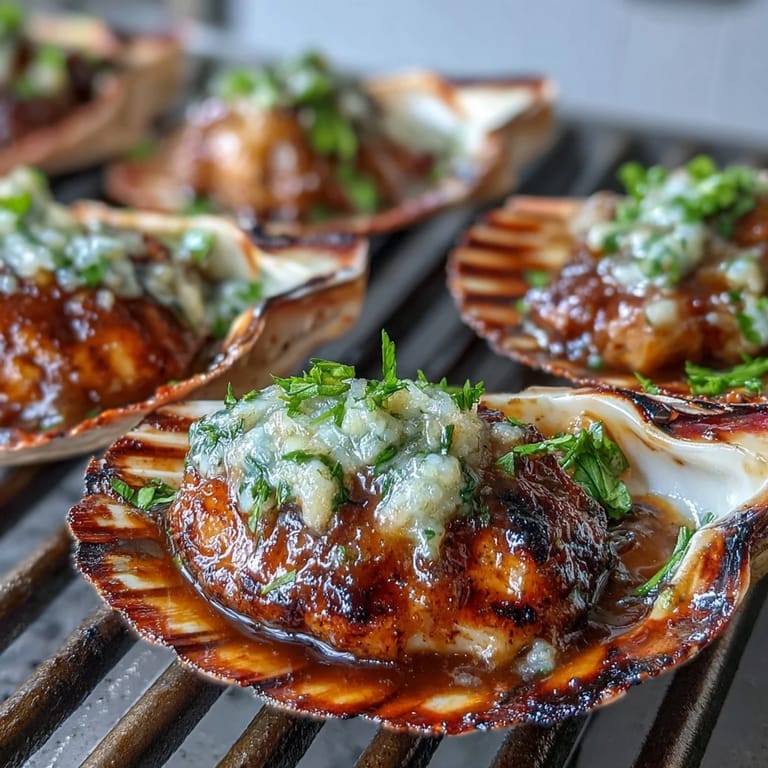
- Return the scallops and any juices that accumulated on the plate to the skillet, sprinkle with parsley and lemon zest, and spoon that glossy sauce over everything. Serve immediately while the scallops are still warm and the sauce is still silky.
 Save
Save There was this particular Sunday when my sister brought her new boyfriend to dinner and I served these without announcing what we were eating—I just wanted to see if he'd notice. He took one bite and immediately asked what restaurant I'd ordered from, and my sister laughed so hard she nearly spit out her wine. That moment proved something I've believed ever since: good food doesn't need an explanation, it speaks for itself.
Pairing and Serving Ideas
These scallops become an entirely different dish depending on what you serve them with, and half the fun is experimenting. Steamed asparagus with garlic feels elegant and spring-like, while baby potatoes turn it into something more substantial and cozy. I've also tossed the whole thing over angel hair pasta and watched people eat twice as much as they normally would because the sauce is just too good to leave on the plate.
Wine and Beverage Pairings
Sauvignon Blanc is the obvious choice here, and for good reason—its acidity mirrors the lemon in the sauce and makes everything brighter. But I've also had success with unoaked Chardonnay, crisp Rieslings, or even a dry Albariño if you want something a little more interesting. The real rule is just pick something white and cold, because that's what your palate craves when you're eating something this buttery and bright.
Customization and Variations
Once you nail the basic version, this recipe becomes a blank canvas for whatever flavors you're craving. A pinch of red pepper flakes in the sauce adds a subtle heat that keeps things from feeling too delicate, while a splash of capers brings briny complexity. Some nights I add fresh tarragon instead of parsley, or finish with a tiny bit of Dijon mustard that nobody can quite identify but everyone notices.
- Red pepper flakes add heat without overwhelming the delicate scallop flavor.
- Capers bring a salty, briny note that makes the sauce taste more interesting.
- Fresh tarragon instead of parsley creates a completely different but equally delicious dish.
 Save
Save This is the dish I make when I want to feel like myself in the kitchen—confident and quick and proud of what lands on the table. It reminds me that sometimes the fanciest meals are the simplest ones.
Recipe FAQs
- → How do I ensure scallops develop a golden crust?
Pat scallops dry and avoid overcrowding the pan, cooking them over medium-high heat undisturbed for 2–3 minutes before flipping.
- → Can I substitute white wine in the sauce?
Yes, dry chicken broth offers a flavorful, non-alcoholic alternative that complements the lemon butter sauce well.
- → What sides pair well with this dish?
Steamed asparagus, baby potatoes, or angel hair pasta provide excellent accompaniments to balance the flavors.
- → How can I add a spicy touch to the sauce?
Incorporate a pinch of red pepper flakes during sauce preparation for subtle heat without overpowering the citrus notes.
- → What wine best complements these scallops?
Sauvignon Blanc’s crisp acidity and bright character beautifully enhance the buttery lemon flavors.