 Save
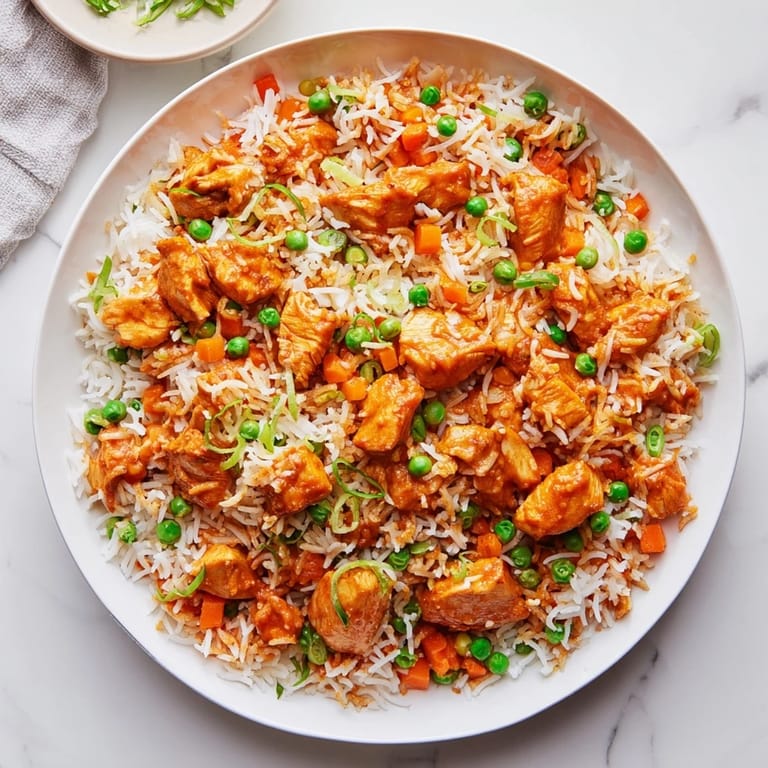
Save The first batch came together on a rainy Thursday when I opened the fridge and found a container of butter chicken next to a pot of cold rice. I wasn't planning anything fancy, just trying to avoid ordering takeout again. What happened in that wok surprised me—the creamy tomato sauce clung to every grain of rice, the spices mingled with soy sauce in a way that shouldn't have worked but absolutely did. My roommate walked in, sniffed the air, and asked if I'd ordered from two restaurants at once.
I made this for a potluck once, worried it was too weird to bring. Three people asked for the recipe before we even finished eating. One friend admitted she'd been reheating her Indian takeout the same boring way for years and felt like I'd just handed her a cheat code. The empty dish I took home that night told me everything I needed to know.
Ingredients
- Leftover butter chicken: The hero of this dish, bringing all that garam masala warmth and tomato cream richness without any extra work—make sure you get plenty of sauce, not just dry chicken pieces.
- Cooked rice: Day-old and cold is genuinely better here because the grains stay separate and do not turn mushy when you stir-fry them, something I learned after one too many sticky batches.
- Frozen peas: They add little pops of sweetness and color, plus they cook in seconds so you can toss them in straight from the freezer.
- Diced carrots: A bit of crunch and earthiness that balances the creamy sauce, and they look nice too which always helps.
- Onion: Finely chopped so it melts into the background, adding that essential savory foundation without stealing the spotlight.
- Green onions: Both a cooking ingredient and a garnish, giving you mild onion flavor and a fresh green finish on top.
- Soy sauce: The bridge between cuisines, adding that umami depth that makes fried rice taste like fried rice, even when it is dressed in butter chicken.
- Tomato paste: Optional, but it deepens the color and ties the tomato flavors together if your leftover sauce is running thin.
- Garam masala: A small boost of warm spice if your butter chicken has mellowed in the fridge overnight.
- Butter: Split into two additions because the first helps cook everything and the second, stirred in at the end, makes the whole dish feel luxurious.
- Vegetable oil: High smoke point and neutral flavor, it keeps the butter from burning when the heat gets high.
- Eggs: Completely optional, but they add protein and richness, plus that classic fried rice texture people expect.
Tired of Takeout? 🥡
Get 10 meals you can make faster than delivery arrives. Seriously.
One email. No spam. Unsubscribe anytime.
Instructions
- Get everything ready:
- Line up all your ingredients within arms reach because once that wok heats up, there is no time to dig through the fridge. This is the step that separates smooth cooking from frantic scrambling.
- Heat the wok:
- Pour in the oil and one tablespoon of butter over medium-high heat, swirling it around until the butter foams and the pan feels hot enough to sizzle. You want real heat here, not a gentle simmer.
- Cook the aromatics:
- Toss in the onion and carrots, stirring them around for two to three minutes until the onion turns translucent and the carrot edges start to soften. The kitchen should smell sweet and a little toasted.
- Scramble the eggs:
- If you are using them, push everything to one side, pour the beaten eggs into the empty space, and let them sit for a few seconds before scrambling with your spatula. Fold them into the vegetables once they are just set but still glossy.
- Add the rice:
- Break up any clumps with your hands or the spatula, then spread the rice across the hot surface. Let it sit for a moment to get a little crispy on the bottom, then stir-fry for two to three minutes until every grain is hot.
- Stir in the butter chicken:
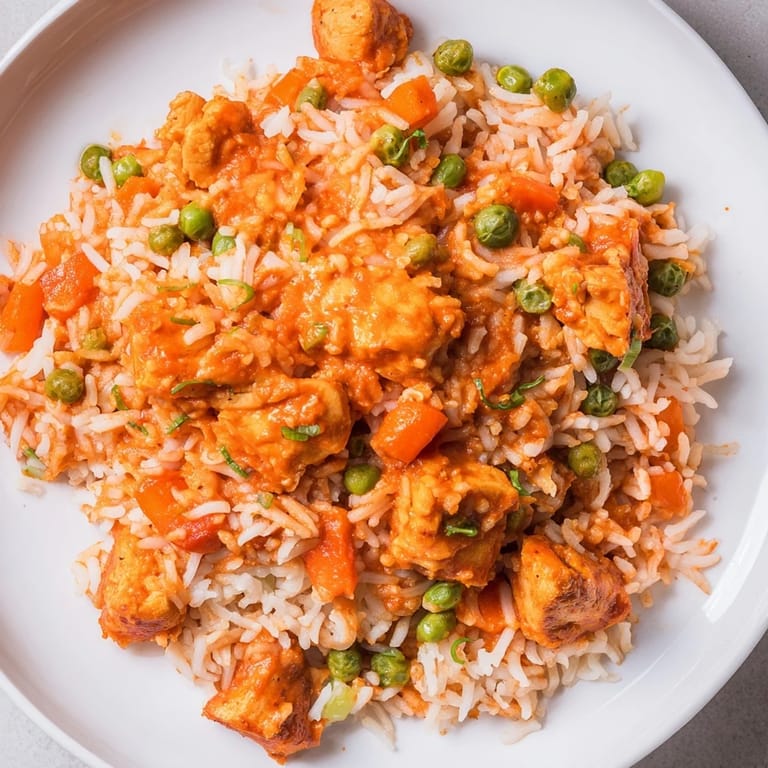
- Add all the leftover chicken and sauce, along with the peas, green onions, and tomato paste if you are using it. The sauce will coat the rice as you stir, turning everything a beautiful orange color.
- Season and combine:
- Pour in the soy sauce, sprinkle the garam masala, and add salt and pepper to taste, then stir everything together for three to four minutes. The rice should be glossy, fragrant, and evenly coated.
- Finish with butter:
- Drop in the last tablespoon of butter and toss it through as it melts, adding a final layer of richness. This is the moment the dish starts to smell like something from a restaurant.
- Adjust and garnish:
- Taste a spoonful, add more salt or soy sauce if it needs it, then scatter extra green onions over the top. Serve it straight from the wok while it is still steaming.
 Save
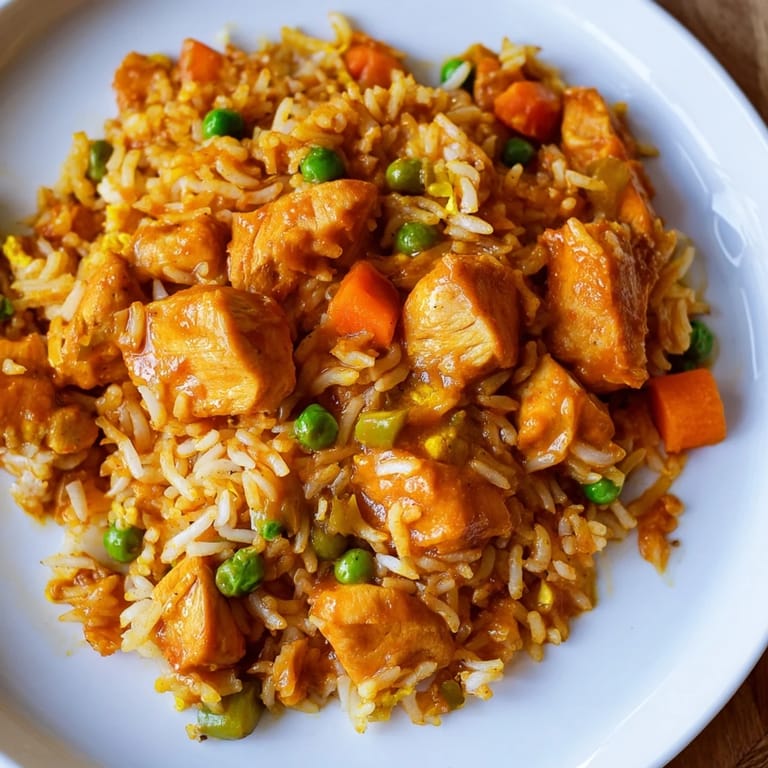
Save My dad, who usually sticks to his traditional recipes, tasted this and paused mid-chew with a confused but delighted look. He said it reminded him of the Chinese place near his old office and the Indian spot next door, and he could not figure out why that made him so happy. That is the magic of this dish, it lives comfortably in two worlds at once, and nobody minds the passport confusion.
Choosing Your Leftovers
Not all butter chicken is created equal for this purpose. The best kind has a good ratio of sauce to chicken, with pieces that are tender but not falling apart. If your leftover is mostly dry chicken, add a splash of cream or a spoonful of tomato sauce to loosen it up. I once tried this with butter chicken that was more gravy than chicken, and while it tasted good, the rice ended up too wet and the texture suffered.
Rice Texture Matters
Day-old rice from the fridge is the secret weapon of every fried rice recipe, and this one is no exception. The cold air dries out the grains just enough that they stay separate and get a little crispy when they hit the hot oil. If you only have fresh rice, spread it out on a baking sheet and stick it in the fridge for at least an hour, or even pop it in the freezer for fifteen minutes. I have tried it both ways, and the difference in texture is impossible to ignore.
Variations Worth Trying
Once you have made this a few times, it becomes a template for creativity. I have stirred in diced bell peppers for sweetness and crunch, tossed in a handful of spinach at the end for color, and even added a spoonful of chili garlic sauce when I wanted heat. A friend swears by adding cashews for texture, and another tops hers with crispy fried onions from a can. The bones of the dish are flexible enough to handle whatever your fridge or your mood suggests.
- Add chopped green chilies or a drizzle of sriracha if you want a spicy kick that wakes everything up.
- Toss in corn kernels, diced zucchini, or snap peas for extra vegetables and a bit more color on the plate.
- Swap in brown rice or cauliflower rice if you want a heartier or lower carb version, though cooking times may shift slightly.
 Save
Save This is the dish I make when I want comfort without the effort, when I need something that feels both familiar and a little bit exciting. It turns two separate meals into one that somehow tastes better than either did on their own.
Recipe FAQs
- → Can I use freshly cooked rice instead of day-old rice?
While fresh rice works, day-old refrigerated rice produces better results. Cold rice grains separate more easily when stir-fried, creating distinct, fluffy texture rather than clumping together. If using fresh rice, spread it on a plate to cool completely before cooking.
- → How do I prevent the fried rice from becoming mushy?
Use cold, cooked rice as your base and keep heat at medium-high throughout cooking. Avoid pressing down on the rice while stirring; instead, use lifting and tossing motions. Cook quickly—the entire process should take only 2-3 minutes for the rice itself.
- → What vegetables work best in this dish?
Carrots, peas, corn, and bell peppers are excellent choices. Quick-cooking vegetables like green onions and mushrooms also work well. Avoid high-moisture vegetables like tomatoes or zucchini, as they can make the rice soggy.
- → Is it necessary to add eggs to this dish?
Eggs are optional but add protein, richness, and a pleasant texture. If omitting, increase the amount of leftover butter chicken or add tofu for extra substance. The dish works equally well either way.
- → How can I make this spicier?
Add chopped green chilies, red chili flakes, or a dash of sriracha or chili sauce during the seasoning step. You can also increase the garam masala or add a pinch of cayenne pepper. Start with small amounts and adjust to your heat preference.
- → Can this be prepared ahead of time?
Fried rice is best served immediately after cooking. However, you can prep all ingredients beforehand—chop vegetables, measure sauces, and have rice ready. Once you begin cooking, the dish comes together in about 10 minutes.