 Save
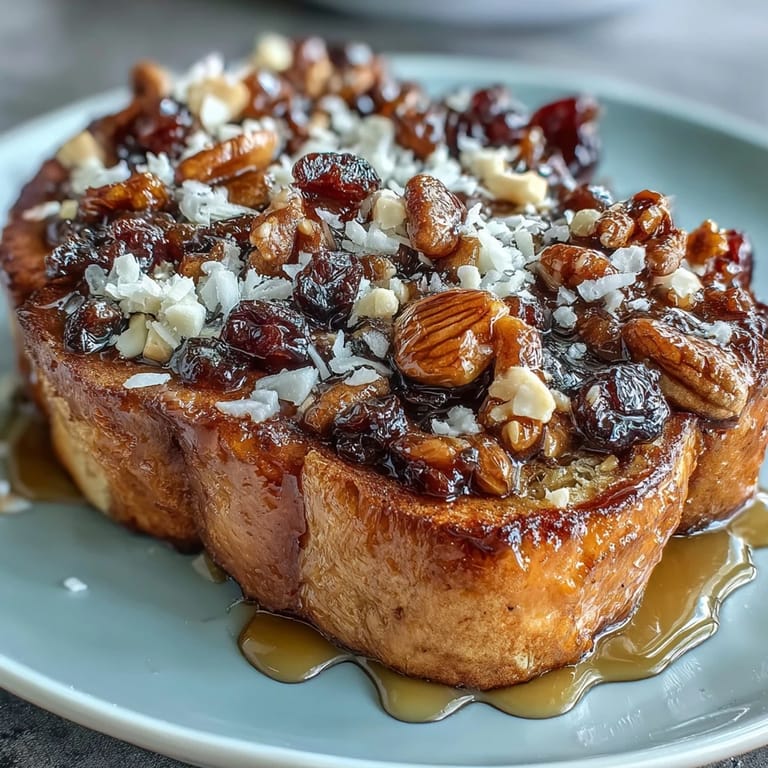
Save The aroma of simmering piloncillo and cinnamon always fills my kitchen with anticipation—there’s a certain calm that comes over the house whenever I start making capirotada Mexicana. Once, while prepping for a casual family brunch, I absentmindedly tossed in an extra handful of dried fruit, and ended up with a pudding so fragrant it nudged everyone into the kitchen early. It’s those spontaneous moments, the sizzle of butter and snap of toasted bread, that remind me why I keep coming back to this comforting dish. Capirotada isn’t just for a holiday, but for anytime you crave something warm and layered, each bite echoing the sweetness of home. I love how a recipe can tangle together such familiar ingredients, creating something with a history you taste in every forkful.
I remember the afternoon my cousin dropped by unexpectedly when capirotada was bubbling away in the oven. We ended up reminiscing over mugs of hot chocolate, cutting generous slices straight from the pan, both of us grinning at how the melted cheese made each bite a little surprising. Cooking this pudding for someone always feels intimate, and the kitchen fills with chatter that harmonizes with the cinnamon-rich steam rising up. That day, I learned capirotada can turn ordinary company into something just a bit more special. Even now, I associate it with the sound of laughter bouncing off the tile floor.
Ingredients
- Bread: Slightly stale bolillo or French bread gives structure—don’t skip the toasting, it absorbs syrup without going mushy.
- Piloncillo: The deep sweetness and caramel notes are essential; dark brown sugar is fine if you can’t find piloncillo.
- Cinnamon stick & cloves: These spices infuse the syrup—I learned not to overdo it, as too much can overpower the delicate balance.
- Raisins, dried apricots or prunes: The dried fruits add pops of flavor and texture—I love chopping apricots for a tart touch.
- Shredded mild cheese: The melty cheese surprises first-timers, and I’ve found Monterey Jack to be especially creamy.
- Pecans, peanuts, almonds: Toast the nuts beforehand for extra crunch; their nuttiness pairs brilliantly with the syrup.
- Sweetened coconut flakes: Optional, but they lend a gentle tropical sweetness and pretty finish.
- Butter: Melted butter helps the top turn golden—I once skipped it, and missed the rich flavor.
Tired of Takeout? 🥡
Get 10 meals you can make faster than delivery arrives. Seriously.
One email. No spam. Unsubscribe anytime.
Instructions
- Warm Up Your Oven:
- Set your oven to 180°C (350°F) and slide a baking dish inside for a brief toast with butter, filling the air with anticipation.
- Toast the Bread:
- Lay out the bread slices and toast them until golden and dry, flipping halfway—the sound of crackling crust tells you they’re ready.
- Simmer the Syrup:
- Bring water, piloncillo, cinnamon, and cloves to a boil in a saucepan, then let it bubble gently until the kitchen smells sweet and spicy; strain before using.
- Layer Up:
- Arrange a third of the toasted bread in the dish, then scatter raisins, dried fruit, nuts, and cheese; repeat the layers twice, finishing with cheese and nuts.
- Pour Syrup:
- Slowly drizzle the hot syrup over the bread and toppings, watching it soak in and listening for little pops as it settles.
- Top It All Off:
- Drizzle melted butter and sprinkle coconut flakes if you’re feeling fancy—this step gives a golden finish.
- Bake Covered:
- Seal the dish with foil and bake for 25 minutes; then uncover and bake until everything is golden and bubbling, about 10–15 more minutes.
- Let It Rest:
- Set it aside for 15 minutes to allow the layers to settle, and serve warm or at room temperature for best flavor.
 Save
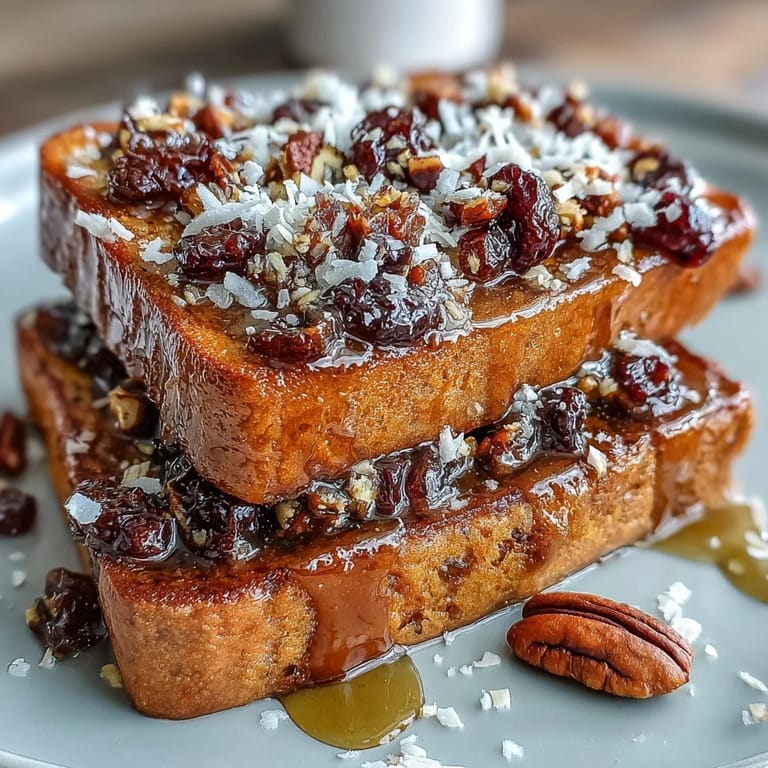
Save There was a moment when capirotada became more than dessert—one rainy Lent evening, I served it after a quiet dinner and watched everyone linger around the table, sharing stories while picking at the crunchy top. The pudding became a backdrop to community, the kind of dish that brings warmth when the weather or mood needs it most.
Choosing Your Cheese Wisely
After experimenting with queso fresco, Monterey Jack, and mozzarella, I found Monterey Jack melts the best without making the dish greasy. Mild cheese balances the sweet syrup and doesn’t steal attention from the spices. Once, I used a sharp cheddar and the flavor overpowered everything, so stick with gentle cheeses. Feel free to use lactose-free cheese if needed—just shred it very finely.
Bread Prep Tips for Perfect Texture
Toasting the bread is key—if you skip it, the bread gets too soft and loses the pudding’s layered structure. Let bread dry out overnight if you have time, then toast before layering. For thicker bread slices, add a few extra minutes in the oven to ensure crispness. The right texture makes all the difference when you pour over the syrup.
Creative Layering and Final Touches
Each layer is a chance to create pockets of flavor—scatter nuts and fruit unevenly so every slice is a little different. The coconut flakes add a playful texture if you choose to use them, and melted butter crowns everything with a rich aroma. Don’t worry if the syrup bubbles oddly—it means the bread is absorbing all those spices. Just before serving, let the pudding cool for a bit so cutting it is easy.
- Add sliced bananas or apples for a fresh, fruity twist.
- Serve capirotada with vanilla ice cream for extra decadence.
- Don’t forget a scoop of the crunchy top for each plate.
 Save
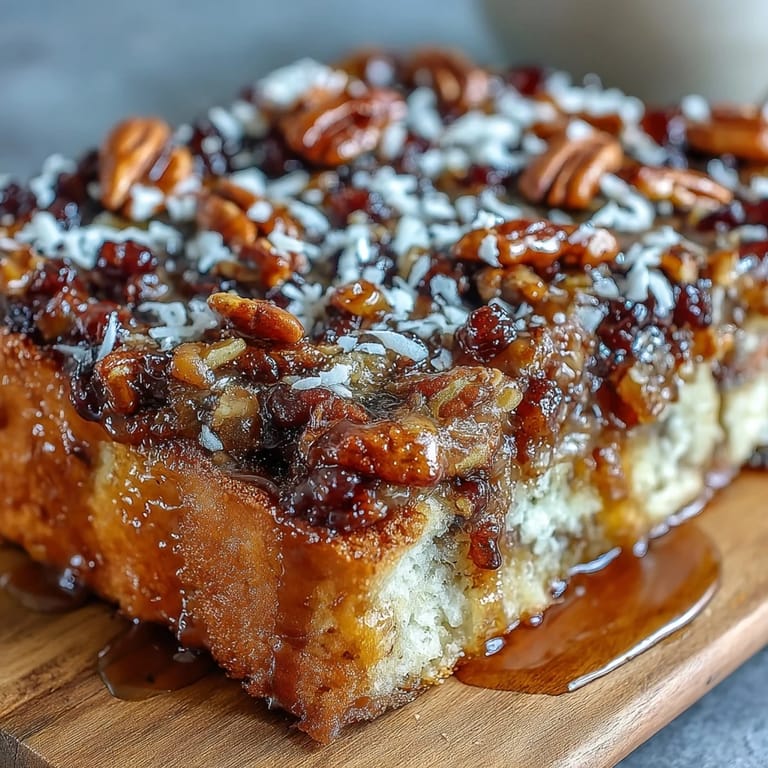
Save This capirotada Mexicana holds warmth for both festive and quiet gatherings—it’s a dessert you’ll want to share and savor. Let each bite remind you of good company and the simple joys hidden in a well-layered pan.
Recipe FAQs
- → What makes capirotada special?
Its distinct blend of bread, piloncillo syrup, nuts, fruits, and cheese creates a uniquely sweet, aromatic and comforting dessert.
- → Can I substitute piloncillo?
Yes. Dark brown sugar works well if piloncillo is unavailable. It maintains the rich, caramelized flavor in the syrup.
- → Which cheese is best?
Queso fresco, Monterey Jack, or mozzarella are mild cheeses that offer creamy texture without overpowering sweetness.
- → Is capirotada served hot or cold?
It is traditionally served warm but tastes delicious at room temperature as the flavors meld.
- → How do I store leftovers?
Cover and refrigerate capirotada for up to three days. Warm individual servings if preferred.
- → Can I add other fruits?
Yes. Sliced bananas, apples, or extra dried fruits can be layered for added sweetness and texture.