 Save
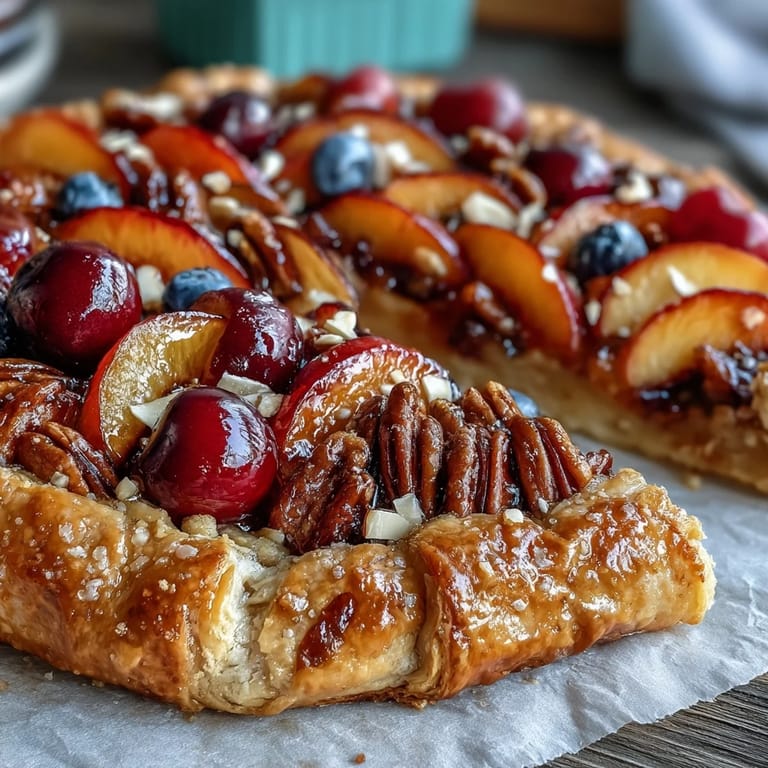
Save There's something about a stone fruit galette that stops time in the kitchen—the way the pastry bronzes while fruit juices bubble at the edges, the almond frangipane hidden underneath like a secret. I first made one on a whim during an unexpectedly warm July afternoon when my neighbor dropped off a bag of mismatched peaches and plums, saying she had too many to use. That casual act of abundance led me to discover how forgiving and beautiful this dessert really is, how it demands so little precision yet rewards you with something that looks entirely intentional.
My sister brought her new partner to our house for an impromptu dinner, and I'd planned something simple until I remembered that galette dough in my fridge. Watching them both take that first bite, the way they closed their eyes at the combination of buttery pastry and that almond-fruit moment—that's when I realized this wasn't just dessert, it was a conversation starter. By the time we'd finished eating, we were already planning when to make it again together.
Ingredients
- All-purpose flour: The foundation of your pastry crust; I've learned that measuring by weight rather than scooping prevents a tough dough that fights back when you're rolling it out.
- Cold unsalted butter: Those little cold cubes are what create flakiness, so resist the urge to soften it—keep your kitchen cool and work quickly.
- Ice water: Add it slowly and stop the moment your dough comes together; overworking it turns pastry into something dense and sad.
- Almond flour: This is what makes people lean in and ask what you added; it transforms the filling into something tender and slightly rich.
- Mixed stone fruits: Peak ripeness matters here—the softer and more fragrant your fruits, the better the filling will taste, and the juices will run deeper.
- Cornstarch: A small amount prevents your galette from becoming a soggy mess, catching excess moisture without changing the fruit's fresh taste.
- Coarse sugar for topping: It catches light and gives you those beautiful sparkly edges that make people think you're a pastry professional.
Tired of Takeout? 🥡
Get 10 meals you can make faster than delivery arrives. Seriously.
One email. No spam. Unsubscribe anytime.
Instructions
- Make the pastry base:
- Whisk together flour, sugar, and salt in a large bowl, then add your cold butter cubes and work them in with your fingertips until everything looks like coarse breadcrumbs—this is meditative and important, so don't skip it. Gradually drizzle in ice water while mixing gently, stopping the moment the dough comes together into shaggy pieces.
- Chill and rest the dough:
- Flatten your dough into a disk, wrap it in plastic, and let it sit in the fridge for at least thirty minutes while you handle everything else. This resting time lets the gluten relax and the butter stay cold, which is your secret to crispy edges.
- Cream the frangipane:
- Beat softened butter and sugar until the mixture is pale and fluffy, then add your egg and beat again, followed by the almond flour, vanilla, and salt until everything is smooth and unified. This filling should taste subtly sweet and smell faintly of almonds, your first hint that something special is coming.
- Toss the fruit:
- Gently combine your sliced stone fruits with sugar, cornstarch, and lemon juice in a separate bowl, letting them sit while you assemble. The cornstarch will absorb some of the moisture that releases from the fruit, and the lemon juice brightens everything.
- Roll out and transfer the pastry:
- On a lightly floured surface, roll your chilled dough into a twelve-inch circle—it doesn't need to be perfect, and any cracks can be patched as you go. Slide it onto parchment-lined baking sheet using a bench scraper or your hands, letting the edges hang slightly over the sides.
- Layer the fillings:
- Spread the almond frangipane evenly over the dough, leaving a two-inch border all around, then arrange your stone fruits on top in whatever pattern feels right. I like mixing different fruits so each bite has variety, but you can arrange them however makes you happy.
- Fold and finish:
- Gently fold up the pastry edges over the filling, pleating them casually as you go—this rustic look is exactly the point. Brush the folded pastry with beaten egg and sprinkle generously with coarse sugar for that professional touch.
- Bake until golden:
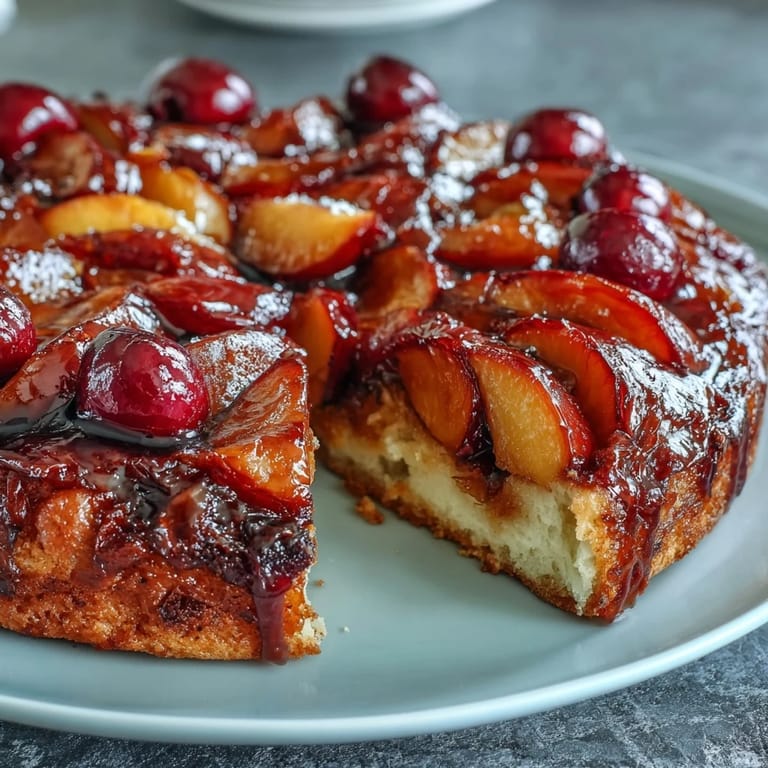
- Bake at four hundred degrees for thirty-five to forty minutes, until the pastry is a deep golden brown and you can see the fruit bubbling slightly at the edges. The kitchen will smell absolutely amazing, and this is the hardest part—waiting before you slice into it.
 Save
Save The best part about this galette isn't the eating, though that's certainly lovely—it's the moment when you pull it from the oven and realize you made something beautiful without overthinking it. That's when you understand why French home cooks embrace rustic desserts; the imperfections are exactly what makes them feel genuine and worth sharing.
The Magic of Frangipane
Frangipane is one of those magical fillings that feels fancy but is incredibly simple, just butter, sugar, eggs, and almond flour creating something tender and subtly sweet. I learned that the key to perfect frangipane is not overmixing once you add the almond flour, because overworking it can make it dense instead of delicate. The first time I made this galette, I whipped the frangipane too vigorously, and it came out slightly grainy, but I've since discovered that a gentle hand and a light touch yield that custardy texture people rave about.
Choosing Your Stone Fruits
Summer fruit selection is an adventure, and a galette gives you permission to mix whatever looks and smells beautiful that day. I've used combinations of peaches, plums, nectarines, and apricots, and each mix tells a different story of that week's farmers market. What matters most is ripeness—if the fruit is fragrant enough to smell across the kitchen, it's probably the right choice for this dessert.
Serving and Storage Tips
This galette is wonderful warm from the oven with vanilla ice cream melting into the fruit, but it's equally delicious at room temperature with a cup of tea later in the afternoon. You can make both the pastry dough and frangipane the night before, which means on the day of serving, you're just assembling and baking.
- Leftover galette keeps for two days wrapped loosely at room temperature, and you can reheat it gently in a three hundred twenty-five degree oven for about ten minutes.
- If you want extra flavor depth, add a small pinch of cinnamon or a grinding of fresh nutmeg to the fruit filling.
- The beauty of this dessert is how forgiving it is, so don't stress about perfection—rustic is the whole point.
 Save
Save This galette reminds me that some of the most impressive things come from working with what you have on hand and embracing the beautiful imperfection of rustic cooking. Make it this summer, and it'll become the dessert you reach for whenever you want something that feels both effortless and entirely intentional.
Recipe FAQs
- → What fruits work best for the stone fruit topping?
Choose ripe and juicy stone fruits such as peaches, plums, nectarines, apricots, and cherries for a balanced sweetness and texture.
- → How do I ensure a flaky pastry crust?
Use cold, cubed butter and minimal water to avoid overworking the dough, then chill the dough thoroughly before rolling out.
- → Can I prepare the almond frangipane in advance?
Yes, the frangipane can be made ahead and refrigerated overnight, which also helps develop richer flavors.
- → Why add cornstarch to the fruit filling?
Cornstarch thickens the fruit juices released during baking, preventing a soggy crust and maintaining a perfect filling consistency.
- → What is the purpose of the egg wash and coarse sugar?
Brushing with egg wash gives the pastry a glossy, golden finish, while coarse sugar adds a slight crunch and decorative sparkle.