 Save
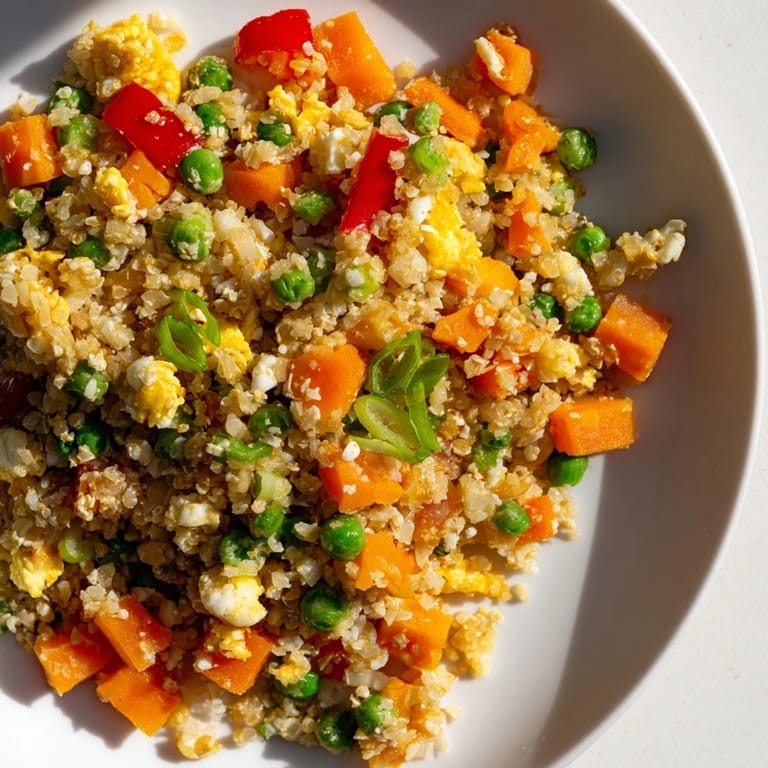
Save My weeknight dinners used to feel heavy until a friend handed me a head of cauliflower and said, Trust me on this. I was skeptical about turning a vegetable into rice, but after one bite of this stir-fried version, I understood why it had become her go-to meal. The texture was surprisingly satisfying, the flavors bright and savory, and I didn't feel weighed down afterward. Now it's my answer to those nights when I want something quick, colorful, and guilt-free.
I started making this for my husband during a week when we were trying to eat lighter, and he actually requested it again the next night. We sat at the table with our bowls, adding extra green onions and a drizzle of sesame oil, and he said it reminded him of takeout but better. That's when I knew this wasn't just a one-time experiment. It became our reset meal, the dish we turn to when we need something fast, fresh, and reliable.
Ingredients
- Cauliflower: The star of the dish, it transforms into tender, rice-like pieces when pulsed in a food processor and should be patted dry to avoid sogginess.
- Carrot: Adds sweetness and a pop of color, and I like dicing it small so it cooks quickly and evenly with the other vegetables.
- Frozen peas: Convenient and sweet, they go straight from the freezer into the pan without any prep.
- Red bell pepper: Brings a mild sweetness and vibrant color that makes the dish look as good as it tastes.
- Green onions: I slice these thin and add them at the end for a fresh, mild onion flavor that doesn't overpower.
- Garlic and ginger: The aromatic base that makes everything smell incredible and taste authentically Asian-inspired.
- Eggs: They add richness and protein, scrambled separately so they stay fluffy and don't disappear into the cauliflower.
- Sesame oil: A little goes a long way, I use it for cooking and finish with a drizzle of toasted sesame oil for depth.
- Soy sauce or tamari: The savory backbone of the dish, tamari keeps it gluten-free without sacrificing any flavor.
- White or black pepper: Just a touch adds warmth and a subtle kick that balances the sweetness of the vegetables.
Tired of Takeout? 🥡
Get 10 meals you can make faster than delivery arrives. Seriously.
One email. No spam. Unsubscribe anytime.
Instructions
- Rice the cauliflower:
- Pulse the florets in a food processor until they look like grains of rice, working in batches if your processor is small. Pat the riced cauliflower with a towel to remove excess moisture so it doesn't steam in the pan.
- Scramble the eggs:
- Heat a tablespoon of oil in a large skillet over medium-high heat and pour in the beaten eggs, stirring gently until just set. Remove them to a plate so they stay tender and don't overcook.
- Build the aromatics:
- Add the remaining oil and toss in the garlic and ginger, stirring for about 30 seconds until the kitchen smells amazing. This step is quick, so don't walk away or they'll burn.
- Cook the vegetables:
- Toss in the carrots, bell pepper, and peas, stirring often for 2 to 3 minutes until they soften slightly but keep their snap. You want color and texture, not mush.
- Stir-fry the cauliflower:
- Add the riced cauliflower and cook, stirring frequently, for 4 to 5 minutes until it's tender but still has a little bite. Keep the heat high so it gets lightly golden in spots instead of steaming.
- Finish and serve:
- Stir in the soy sauce, pepper, and a pinch of salt, then fold in the scrambled eggs and green onions. Drizzle with toasted sesame oil if you have it, toss once more, and serve hot.
 Save
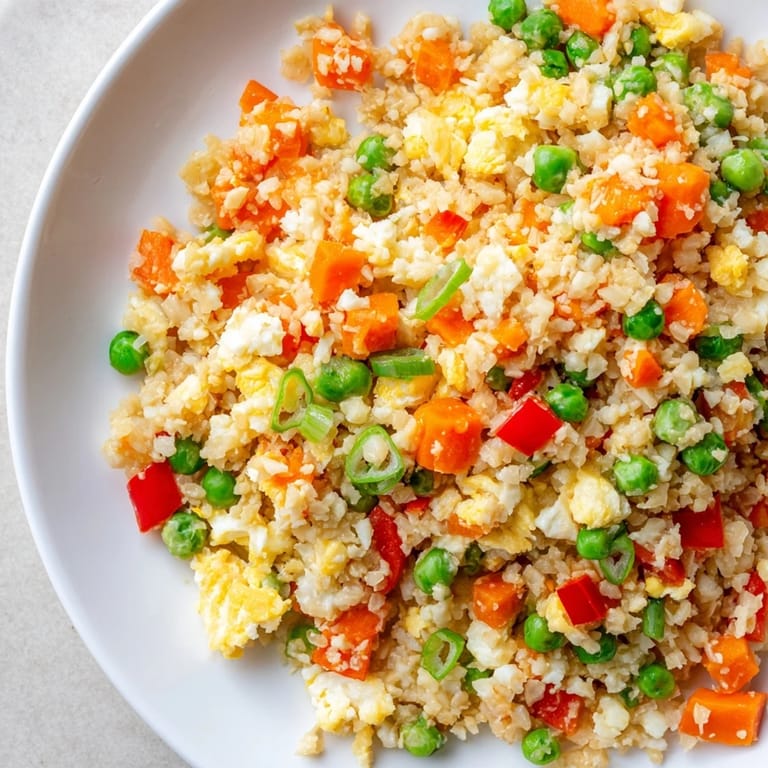
Save One evening I made a double batch and packed the leftovers for lunch the next day, and my coworker leaned over and asked what smelled so good. I told her it was cauliflower, and she didn't believe me until I showed her the container. We ended up swapping recipes right there in the break room, and she texted me later that night saying her kids devoured it. That's the thing about this dish, it wins people over even when they think they won't like it.
What to Add for Extra Protein
I've stirred in cooked shrimp, diced chicken thighs, and even crumbled tofu depending on what I have in the fridge, and they all work beautifully. Just toss them in during the last minute of cooking so they warm through without drying out. If you're keeping it vegan, a tofu scramble in place of the eggs adds the same richness and makes the dish hearty enough to stand on its own.
How to Store and Reheat
Leftovers keep well in an airtight container in the fridge for up to three days, though the cauliflower will soften a bit as it sits. I reheat it in a hot skillet with a splash of oil to bring back some of the texture, stirring quickly over medium-high heat. The microwave works in a pinch, but the stovetop method keeps it from getting soggy and gives it that just-cooked feel again.
Ways to Change It Up
I've swapped in broccoli florets, snap peas, and even corn depending on the season or what's in my crisper drawer. A squeeze of lime juice and a handful of fresh cilantro at the end brighten everything up and make it taste restaurant-fresh. Sometimes I add a pinch of red pepper flakes for heat or a splash of rice vinegar for tang, and it feels like a completely new dish every time.
- Try adding diced zucchini or edamame for extra vegetables and color.
- Finish with chopped cashews or sesame seeds for a crunchy topping.
- Serve it alongside grilled salmon or a fried egg for a complete meal.
 Save
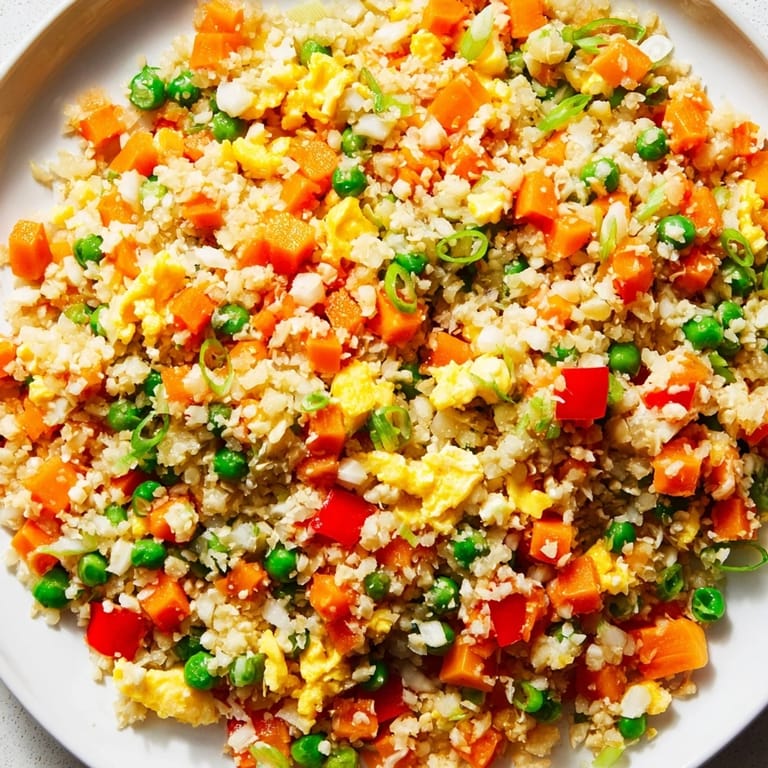
Save This dish has earned a permanent spot in my weeknight rotation because it's fast, flexible, and always satisfying. I hope it becomes one of your easy favorites too.
Recipe FAQs
- → How do I prepare the cauliflower rice?
Rinse cauliflower florets and pat them dry. Place in a food processor and pulse until the texture resembles rice grains. Work in batches if needed. Alternatively, use a box grater for a finer texture.
- → Can I make this dish vegan?
Yes, simply omit the eggs or substitute with tofu scramble. The dish remains flavorful and satisfying with the vegetables, garlic, and ginger base along with the savory soy sauce seasoning.
- → What proteins can I add?
You can incorporate cooked chicken, shrimp, or tofu for extra protein. Add these proteins after cooking the cauliflower rice to maintain proper texture and flavors.
- → How do I make this gluten-free?
Substitute tamari for regular soy sauce, as tamari is naturally gluten-free. Verify that all other ingredients are certified gluten-free if needed for dietary requirements.
- → What other vegetables work well?
Try adding broccoli, snap peas, corn, mushrooms, or zucchini. Add harder vegetables with the carrots and softer ones near the end to maintain proper texture and crispness.
- → How should I store leftovers?
Store in an airtight container in the refrigerator for up to 3 days. Reheat gently in a skillet over medium heat, adding a splash of sesame oil to restore moisture and flavor.