 Save
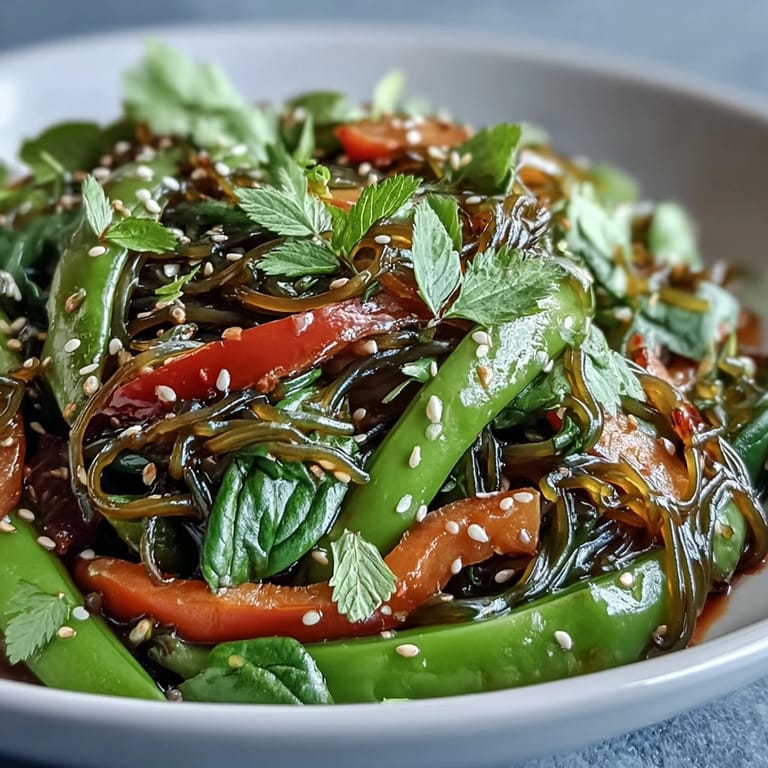
Save My neighbor handed me a package of kelp noodles one afternoon, insisting they'd changed her entire approach to weeknight cooking. I was skeptical at first—they looked like translucent sea grass and felt oddly weightless in my palm. But that evening, watching them soften in warm water while I prepped vegetables, something clicked. The stir-fry came together in minutes, the noodles had this delightful chew I hadn't expected, and suddenly I understood her enthusiasm. Now I keep them stocked, reaching for them whenever I want something vibrant that doesn't leave me feeling heavy afterward.
I made this for my sister during one of those chaotic Tuesday nights when she'd stopped by unannounced after a stressful day. I had leftover vegetables scattered across my cutting board and about fifteen minutes before we needed to eat. She sat at the counter watching me work, and by the time the first bite hit her tongue, she exhaled like she'd been holding her breath all day. That's when I realized this dish does something beyond nourish—it resets you, especially when you need it most.
Ingredients
- Kelp noodles (12 oz): These are the secret weapon—virtually calorie-free, packed with minerals, and they develop an almost pasta-like texture when cooked just right, but rinse them thoroughly or they'll taste slightly salty.
- Red bell pepper (1): The color isn't just pretty; the sweetness balances the ginger and sesame beautifully, plus it softens just enough to be tender without losing its snap.
- Snap peas (1 cup): They're the textural anchor here, staying crisp even after stirring, so don't skip halving them or they'll dominate each bite.
- Carrot (1 medium, julienned): Julienne them thin so they cook through in the same timeframe as everything else, otherwise you'll have crunchy carrot among tender vegetables.
- Baby spinach (2 cups): Add it at the last moment—it wilts instantly and adds earthiness that grounds all the bright flavors without any bitterness.
- Green onions (2, sliced): The white and green parts do different jobs; the whites add subtle onion depth while the greens scattered on top give a fresh, peppery finish.
- Tamari or soy sauce (2 tbsp): Use tamari if gluten is a concern, but the depth of soy sauce is hard to replicate—choose whichever aligns with your needs.
- Toasted sesame oil (1 tbsp): This isn't the cooking oil; it's the flavor anchor, so don't substitute with regular sesame oil or you'll lose that nutty richness.
- Rice vinegar (1 tbsp): It's gentler and slightly sweeter than white vinegar, adding brightness without that harsh acidic bite.
- Fresh ginger (1 tbsp, finely grated): The warmth and slight heat elevate everything, and fresh ginger makes all the difference—ground ginger will taste dusty by comparison.
- Maple syrup or agave (2 tsp): A tiny bit of sweetness rounds out the sauce, preventing it from tasting one-dimensional or too salty.
- Garlic (2 cloves, minced): Mince it finely so it distributes evenly and softens into the sauce rather than leaving harsh garlic chunks.
- Chili flakes (1/2 tsp, optional): Even if you don't love heat, a small pinch adds complexity and makes your palate crave the next bite.
- Sesame seeds (1 tbsp, toasted): Toast them yourself if you have time—the difference between toasted and raw is like night and day in terms of flavor and aroma.
Tired of Takeout? 🥡
Get 10 meals you can make faster than delivery arrives. Seriously.
One email. No spam. Unsubscribe anytime.
Instructions
- Soften the kelp noodles gently:
- Place them in a large bowl and cover with warm (not hot) water for about 10 minutes—they'll go from rigid to pliable, like little seaweed ribbons coming to life. Drain thoroughly and set them aside, as excess water will dilute your sauce.
- Whisk together your flavor base:
- In a small bowl, combine tamari, sesame oil, rice vinegar, ginger, maple syrup, garlic, and chili flakes, stirring until the sweetness dissolves completely. This is your moment to taste and adjust—if it needs more brightness, add vinegar; if it needs more warmth, grate in a bit more ginger.
- Char the sturdy vegetables first:
- Get your skillet smoking hot over medium-high heat, then add the bell pepper, snap peas, and carrot, letting them sit undisturbed for a minute or two so they develop color and flavor. Then stir and cook for another 2-3 minutes until they're tender but still have personality.
- Wilt the spinach and alliums together:
- Toss in the spinach and white parts of the green onions, stirring constantly for about a minute until the spinach collapses into silky ribbons. This happens fast, so watch closely—you want it cooked through but still bright green.
- Combine everything in a final dance:
- Add your drained kelp noodles directly to the skillet and pour the sauce over everything, then toss gently but thoroughly for 2-3 minutes so the noodles soak up all that ginger-sesame goodness and warm through. You'll know it's ready when the skillet smells like a really good Asian restaurant and the noodles glisten.
- Finish with flourish:
- Divide among bowls and scatter sesame seeds, cilantro, and the green parts of the green onions on top, serving with lime wedges for squeezing. That last squeeze of lime is essential—it brightens everything and prevents the dish from feeling heavy.
 Save
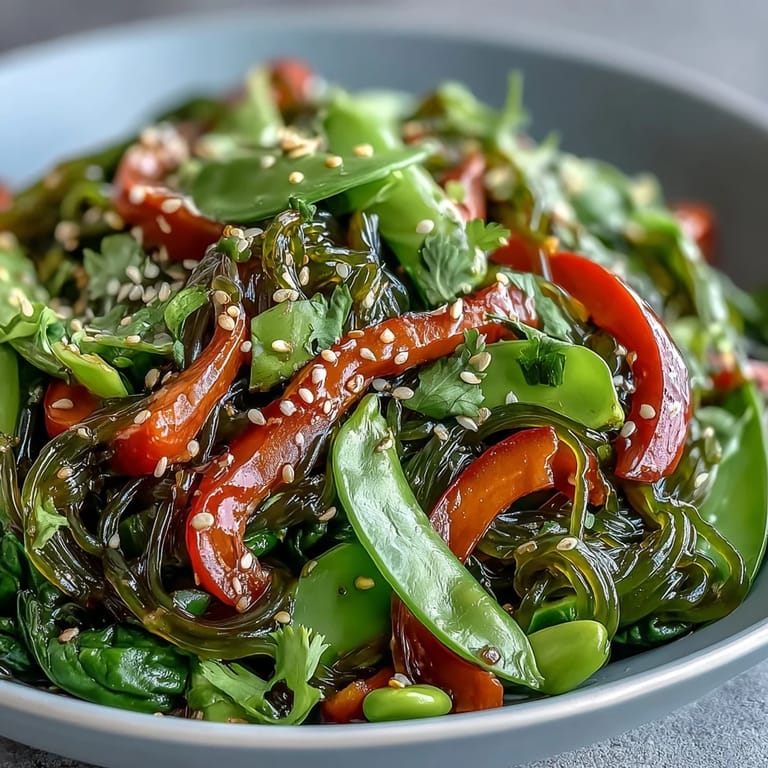
Save I served this to my partner one quiet Sunday morning as a late brunch, something light before we tackled yard work. He ate it straight from the bowl, standing at the counter, and then immediately asked if we could add it to the regular rotation. It wasn't fancy or complicated, but somehow it felt like the exact thing we both needed in that moment—nourishing without being heavy, flavorful without demanding much effort.
Why Kelp Noodles Are Your New Secret
Kelp noodles used to feel intimidating to me, like I needed some special knowledge to use them properly. But the truth is they're nearly impossible to mess up once you understand that they don't absorb liquid aggressively like rice noodles do, which means your sauce stays vibrant and doesn't get soggy. They also keep their shape beautifully, staying distinct from the vegetables rather than clumping into a single mass. If you've ever been disappointed by noodle dishes that turn into mush by the time you finish eating, these might genuinely change your perspective on stir-fries.
The Sauce Is Everything Here
The sauce is what transforms this from 'nice healthy bowl' into something you actually crave, so it deserves your attention and good ingredients. Toasted sesame oil is non-negotiable—it's the difference between a sauce that tastes complete and one that tastes like it's missing something you can't identify. Fresh ginger matters too; there's a brightness and heat in fresh ginger that ground ginger simply cannot replicate, so if you only have powder, consider making a different dish. The balance of salty, sweet, sour, and heat is what makes your mouth keep coming back for another bite.
Ways to Make This Your Own
The beauty of this stir-fry is that it works as a template—I've added everything from sliced mushrooms to baby bok choy, from thin broccoli florets to shredded zucchini, depending on what's in my crisper drawer. Protein additions like cubed tofu, edamame, or even cashews make it heartier without overwhelming the delicate kelp noodles. If you want to push into slightly richer territory, a spoonful of almond butter or peanut butter stirred into the sauce adds depth and creaminess that feels indulgent even though it barely changes the calorie count.
- Try adding a handful of cooked chickpeas or white beans for protein and a different textural layer.
- A drizzle of sriracha or a paste of gochujang will push the heat and umami in exciting directions.
- Toasted nuts like almonds or cashews scattered on top add crunch and richness that balances the light, bright sauce.
 Save
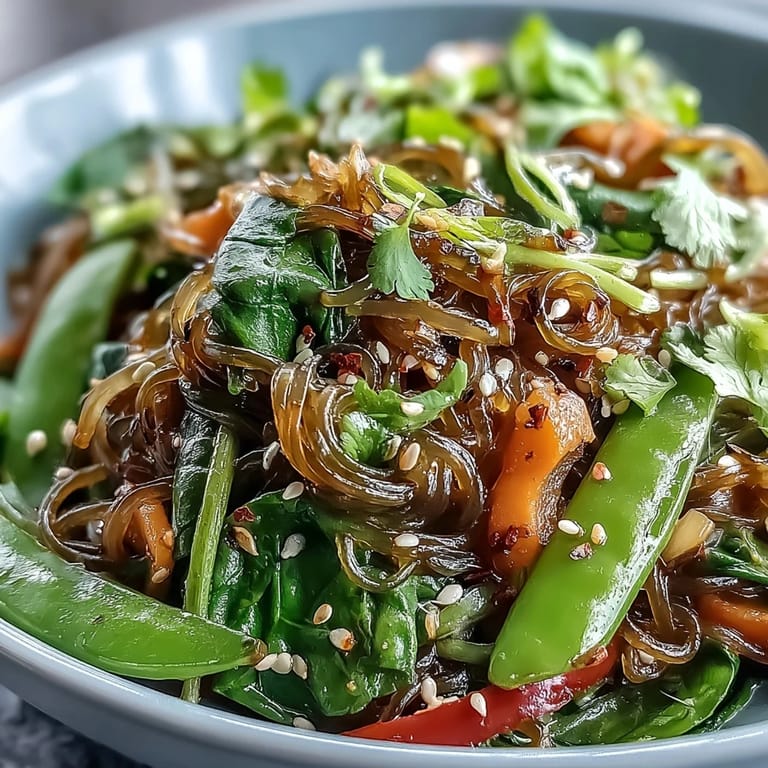
Save This dish became my answer to that 6 p.m. question of what's for dinner when you want something that feels intentional but doesn't require a major production. It's the kind of meal that reminds you that simple, thoughtful cooking feeds both your body and your spirit.
Recipe FAQs
- → Do kelp noodles need to be cooked?
Kelp noodles don't require traditional cooking. Soaking them in warm water for about 10 minutes softens their texture and makes them ready to eat or stir-fry.
- → Can I add protein to this dish?
Absolutely. Cubed tofu, edamame, or cooked chicken work well. Add your protein during step 3 to ensure it heats through with the vegetables.
- → Is this dish spicy?
The base version has mild heat from optional chili flakes. Adjust the amount or omit them entirely for a non-spicy version, or add sriracha for more kick.
- → What vegetables can I substitute?
Broccoli florets, zucchini slices, shiitake mushrooms, or shredded cabbage all work beautifully. Use whatever fresh, crisp vegetables you have on hand.
- → How long does this keep in the refrigerator?
Best enjoyed fresh, but leftovers will keep for 2-3 days in an airtight container. The noodles may soften slightly when reheated.
- → Can I make the sauce ahead of time?
Yes, whisk the sauce together up to 3 days in advance and store it in the refrigerator. Give it a quick stir before using.