 Save
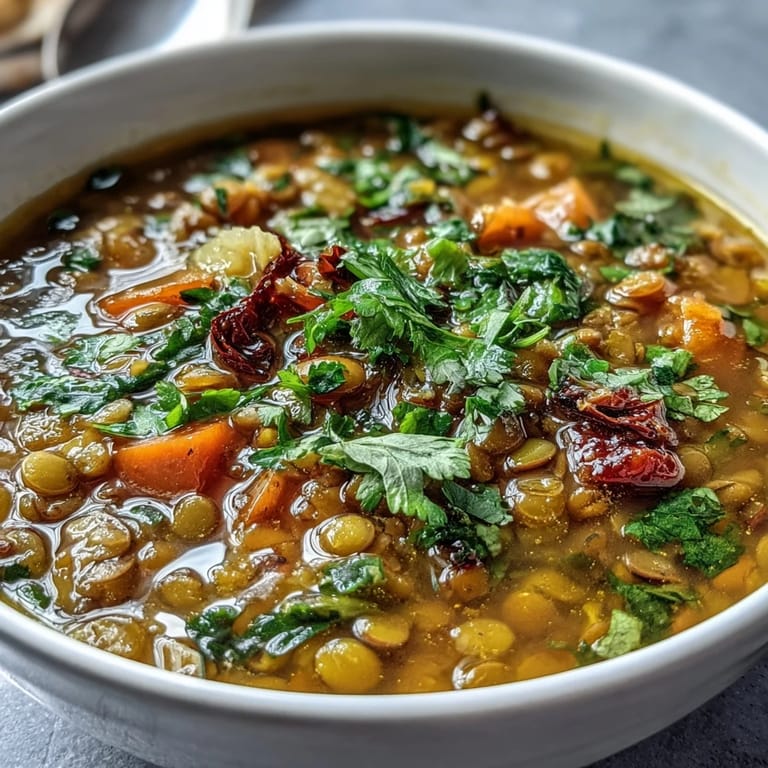
Save This Mung Bean Soup is a nourishing, traditional soup featuring tender mung beans and a blend of warming spices. Designed for both comfort and healing, this Indian-inspired dish is easy to prepare and offers a soul-warming experience in every bowl.
Save Perfect for a quiet evening at home, this soup combines the earthy texture of mung beans with aromatic vegetables and traditional spices to create a meal that is as satisfying as it is healthy.
Ingredients
Tired of Takeout? 🥡
Get 10 meals you can make faster than delivery arrives. Seriously.
One email. No spam. Unsubscribe anytime.
- Legumes: 1 cup dried mung beans, rinsed and soaked for 4 hours or overnight
- Vegetables: 1 medium onion (finely chopped), 2 cloves garlic (minced), 1-inch piece fresh ginger (grated), 1 medium carrot (diced), 1 medium tomato (chopped), 1 small green chili (optional, finely chopped)
- Spices & Seasonings: 1 tsp ground cumin, 1 tsp ground coriander, 1/2 tsp turmeric powder, 1/2 tsp ground black pepper, 1/2 tsp mustard seeds, 1/4 tsp asafoetida (hing, optional), 1 tsp salt (or to taste)
- Liquids: 6 cups water or vegetable broth
- Garnishes: 2 tbsp fresh cilantro (chopped), 1 tbsp fresh lemon juice
Instructions
- Step 1: Prep the Beans
- Drain and rinse the soaked mung beans thoroughly.
- Step 2: Temper the Spices
- In a large pot, heat a splash of oil over medium heat. Add mustard seeds and let them sizzle for 30 seconds.
- Step 3: Sauté Aromatics
- Add onion, garlic, and ginger. Sauté until the onion is translucent, about 3 minutes.
- Step 4: Cook Vegetables and Spices
- Stir in carrots, tomato, green chili (if using), cumin, coriander, turmeric, black pepper, and asafoetida. Cook for another 2 minutes.
- Step 5: Simmer the Soup
- Add mung beans and pour in the water or vegetable broth. Bring to a boil, then reduce heat to low and simmer uncovered for 35–40 minutes, or until the mung beans are soft and the soup thickens.
- Step 6: Season
- Add salt and adjust seasoning to taste.
- Step 7: Garnish and Serve
- Stir in lemon juice and garnish with fresh cilantro before serving.
Zusatztipps für die Zubereitung
For a creamier texture, you can lightly mash some of the cooked mung beans with a wooden spoon directly in the pot. This helps thicken the broth naturally without adding any dairy.
Varianten und Anpassungen
To boost the nutritional profile, stir in a handful of fresh spinach or kale during the last 5 minutes of simmering. If you require a strictly gluten-free meal, ensure your asafoetida is a gluten-free variety, as some commercial brands contain wheat flour.
Serviervorschläge
This soup is best enjoyed hot, paired with steamed Basmati rice or fresh Indian flatbread. For a complete dining experience, serve it alongside a dry Riesling or a warm cup of herbal tea.
 Save
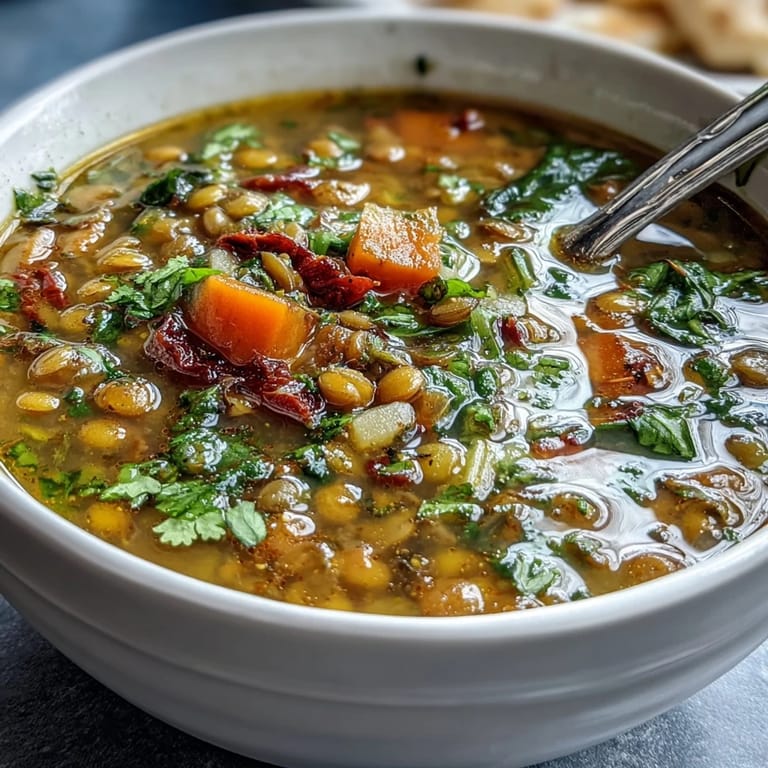
Save With 11g of protein and only 180 calories per serving, this Mung Bean Soup is a delicious way to enjoy a wholesome, traditional Indian meal that supports a healthy lifestyle.
Recipe FAQs
- → Do I need to soak the mung beans before cooking?
Yes, soaking dried mung beans for 4 hours or overnight helps them cook faster and more evenly. It also reduces cooking time and improves digestibility. If you're short on time, you can use a quick soak method by boiling them for 1-2 minutes, then letting them sit for an hour.
- → Can I make this soup creamy without dairy?
Absolutely. The natural starches released from the mung beans as they cook create a creamy texture on their own. You can also lightly mash some of the cooked beans against the side of the pot to thicken it further without adding any cream or coconut milk.
- → What can I serve with mung bean soup?
This soup pairs beautifully with steamed basmati rice, warm naan, roti, or any flatbread. It's also satisfying on its own as a light meal. For a complete dinner, serve with a simple side salad or roasted vegetables.
- → How long does this soup keep in the refrigerator?
Stored in an airtight container, this soup will keep for 4-5 days in the refrigerator. The flavors often develop and deepen after a day or two. It also freezes well for up to 3 months—just thaw and reheat with a splash of water or broth.
- → Is asafoetida (hing) necessary for this dish?
Asafoetida is optional but adds a distinct savory, umami depth typical of Indian cooking. If you don't have it or can't find it, the soup will still be delicious without it. Just omit it from the spice blend and proceed with the recipe as written.
- → Can I add other vegetables to this soup?
Certainly. Spinach, kale, or Swiss chard make excellent additions during the last 5 minutes of cooking. You could also add diced potatoes, bell peppers, or green beans along with the carrots for extra heartiness and nutrition.