 Save
Save My neighbor once knocked on my door holding a takeout container of fried rice, asking if I could teach her to make it at home. She was tired of ordering in and wanted something quick for her kids. We stood in my kitchen that afternoon, tossing rice in my old wok, and she couldn't believe how fast it came together. Now she texts me photos every time she makes it with whatever vegetables she has on hand. It's become her weeknight savior.
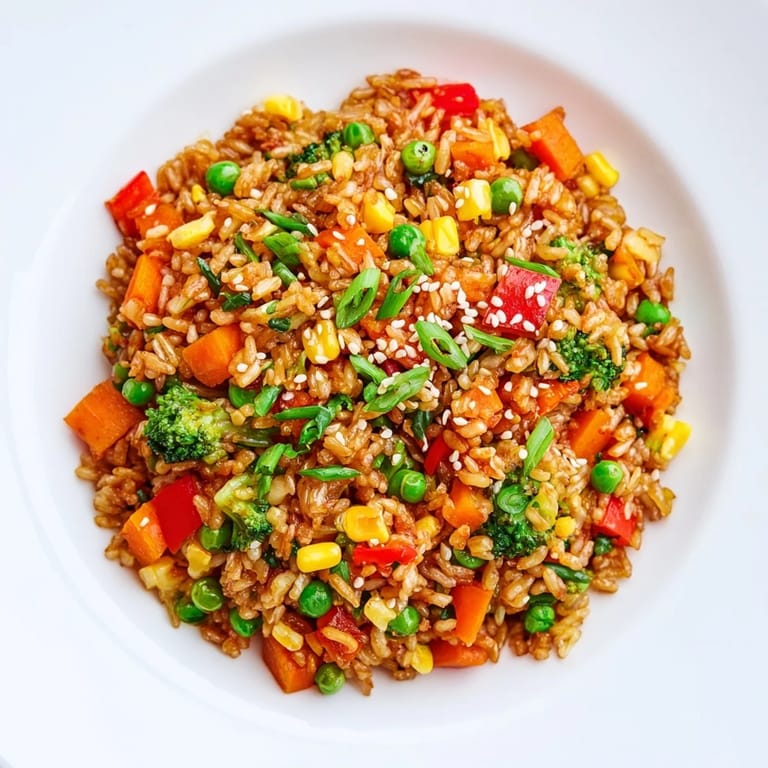
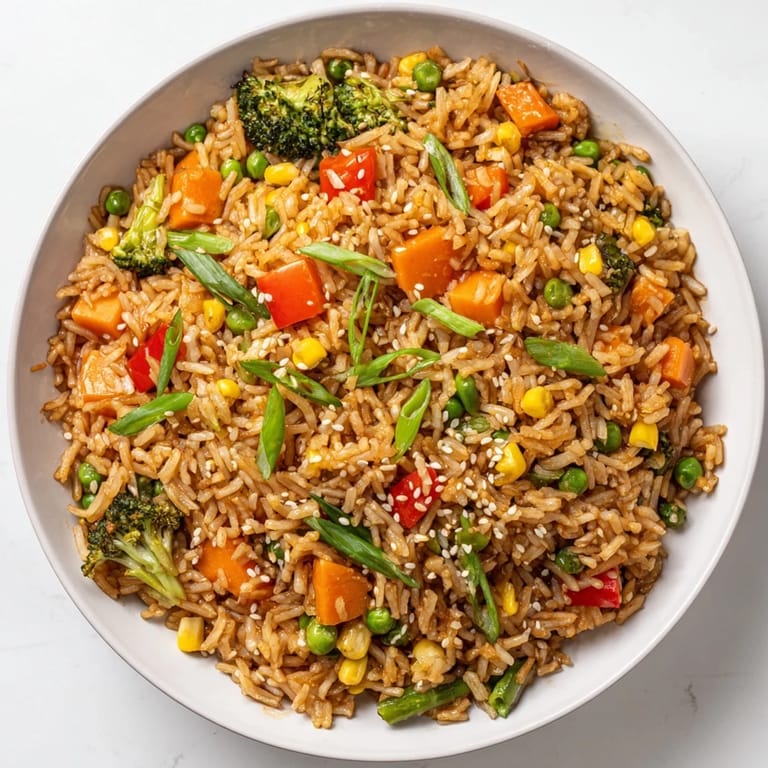
I made this for a potluck once, doubling the recipe and packing it into a big ceramic dish. People kept asking what restaurant I ordered it from. When I told them it was just day old rice and whatever vegetables I had, they didn't believe me. One friend even asked for the recipe on a napkin. That's when I realized how impressive something this simple can look when you let the colors do the talking.
Ingredients
- Cooked jasmine or long grain rice: Day old and cold is the secret to keeping each grain separate and preventing mush, so plan ahead or spread fresh rice on a tray to cool fast.
- Carrots: They add sweetness and hold their shape under high heat, plus that bright orange really pops against the greens.
- Bell pepper: Any color works, but I like red or yellow for a little extra sweetness and visual contrast.
- Frozen peas: They thaw in seconds and bring a soft pop of green without any prep work.
- Broccoli florets: Small pieces cook quickly and soak up the soy sauce beautifully.
- Sweet corn kernels: Fresh or frozen both work, they add little bursts of sweetness throughout every bite.
- Green beans: Chopped into short pieces, they give a nice snap and earthy flavor.
- Green onions: I slice them thin and save some for garnish because they taste sharper raw and milder cooked.
- Garlic and ginger: These two are non negotiable for that authentic aromatic base that makes the whole dish smell incredible.
- Soy sauce: It's the backbone of flavor here, use tamari if you need gluten free and it tastes just as good.
- Sesame oil: Just a tablespoon at the end adds a nutty richness that makes everything taste more expensive.
- Vegetable oil: You need something with a high smoke point for that hot wok action.
- Toasted sesame seeds: Optional but worth it for a little crunch and nuttiness on top.
- White or black pepper: I prefer white pepper for a cleaner heat, but black works if that's what you have.
- Salt: Taste before adding because soy sauce is already salty.
Tired of Takeout? 🥡
Get 10 meals you can make faster than delivery arrives. Seriously.
One email. No spam. Unsubscribe anytime.
Instructions
- Heat the wok:
- Get your vegetable oil shimmering in a large wok or skillet over medium high heat. You want it hot enough that a drop of water sizzles instantly.
- Wake up the aromatics:
- Toss in the garlic and ginger, stirring constantly for about 30 seconds until your kitchen smells like a street food stall. Don't let them brown or they'll turn bitter.
- Stir fry the hearty vegetables:
- Add the carrots, bell pepper, broccoli, green beans, and corn all at once. Stir fry for 3 to 4 minutes, keeping everything moving so it cooks evenly and stays crisp.
- Add the quick cooking vegetables:
- Stir in the peas and most of the green onions, saving a handful for garnish. Cook for just 1 minute so they stay bright and tender.
- Toss in the rice:
- Crank the heat to high and add your cold cooked rice. Break up any clumps with your spatula and stir fry for 2 to 3 minutes until every grain is heated through and slightly toasted.
- Season and coat:
- Drizzle the soy sauce and sesame oil over everything, then sprinkle with pepper. Toss it all together until the rice is evenly coated and glossy.
- Taste and adjust:
- Take a quick taste and add more salt or soy sauce if needed. The seasoning should be bold but balanced.
- Finish and serve:
- Pull the wok off the heat, scatter the reserved green onions and sesame seeds on top, and serve it hot while the vegetables still have some snap.
 Save
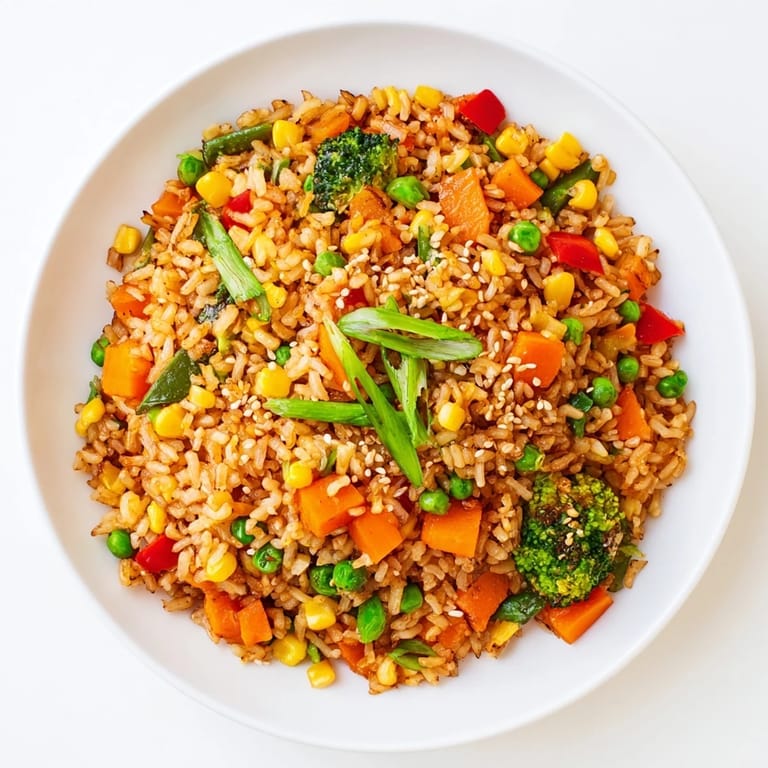
Save One night my sister came over after a long shift and I made this with whatever I had in the fridge. She was too tired to talk much, but she finished two bowls and said it tasted like comfort. Sometimes the best meals aren't fancy, they're just warm and made with care. She still asks for this when she needs something easy and filling.
Making It Your Own
This recipe is basically a template, so feel free to swap vegetables based on what's in season or what you need to use up. I've added mushrooms, zucchini, snap peas, and even shredded cabbage with great results. If you want more protein, scramble a couple of eggs off to the side and fold them in at the end, or toss in some crispy tofu cubes. A dash of chili sauce or a few slices of fresh chili will give it a spicy kick if that's your style.
Getting That Restaurant Texture
The key to fried rice that tastes like takeout is high heat and constant motion. Your wok or skillet needs to be hot enough that the rice sizzles when it hits the surface. Don't stir it constantly at first, let it sit for a few seconds so some grains get a little crispy and golden. That slight char is what makes homemade fried rice taste like it came from a professional kitchen.
Storage and Reheating
Leftovers keep well in an airtight container in the fridge for up to three days. When you reheat it, use a hot skillet with a tiny splash of oil or water to bring back the texture. The microwave works in a pinch, but the stovetop method keeps the rice from drying out and gives you a chance to crisp it up again.
- Store it in a shallow container so it cools quickly and evenly.
- Reheat only what you'll eat to keep the rest fresh longer.
- If it tastes bland after reheating, a quick drizzle of soy sauce or sesame oil brings it back to life.
 Save
Save This dish has saved me on so many busy nights when I didn't have the energy to think too hard about dinner. It's proof that a hot wok, cold rice, and a handful of vegetables can turn into something really satisfying.
Recipe FAQs
- → Why should I use day-old rice?
Day-old cold rice works best because it has less moisture content and firmer grains. This prevents the finished dish from becoming mushy or soggy. Freshly cooked warm rice tends to clump together and absorb too much oil, resulting in a less ideal texture.
- → Can I add protein to this dish?
Absolutely. Scrambled eggs, crispy tofu cubes, tempeh, or chickpeas are excellent protein additions. For eggs, prepare them separately and fold them in at the end. Tofu can be pan-fried until golden before adding to the stir-fry to prevent it from breaking apart.
- → What vegetables work best as substitutes?
You can easily swap vegetables based on availability and preference. Mushrooms, zucchini, snap peas, cabbage, asparagus, or water chestnuts are great options. Choose vegetables that cook quickly or add them based on cooking time needed. Avoid overly wet vegetables that release excess moisture.
- → How do I make this spicy?
Add a dash of chili sauce, sriracha, or freshly chopped chili peppers to customize the heat level. You can stir in the heat source with the soy sauce and sesame oil, or add it at the end to control spiciness. Start with small amounts and adjust to your preference.
- → Is this gluten-free?
Standard soy sauce contains gluten, but you can easily make this dish gluten-free by substituting tamari or certified gluten-free soy sauce. Always check your ingredient labels for hidden gluten sources and verify that your sesame oil and other seasonings are certified gluten-free if needed.
- → Can I prepare ingredients in advance?
Yes, prep all vegetables the day before and store them in separate containers. Cooked rice should be refrigerated overnight. When ready to cook, ensure all ingredients are within arm's reach before you start heating the wok, as stir-frying happens quickly.