 Save
Save My sister texted me a photo of a Biscoff jar with three question marks, and I knew exactly what she wanted. We'd been talking about turning those spiced cookies into an actual cake for months, but neither of us had committed. That weekend, I grabbed two jars of Lotus spread, a sleeve of biscuits, and started experimenting in my tiny kitchen while rain drummed against the window. The smell of caramelized spice filled the room before the cake even hit the oven.
I brought this to a potluck where everyone claimed they were too full for dessert. Within ten minutes, half the cake was gone and someone asked if I'd written the recipe down yet. One friend scraped frosting off the serving plate with her finger and didn't even apologize. That's when I knew this wasn't just another cake, it was the kind of thing people remember and text you about weeks later.
Ingredients
- Biscoff biscuits, crushed: The soul of this cake, bringing that signature spiced caramel crunch that makes every bite recognizable and nostalgic.
- All-purpose flour: Creates the sturdy but tender crumb that holds up under all that buttery frosting without getting soggy.
- Baking powder and baking soda: The leavening duo that gives you a light, airy sponge instead of a dense brick.
- Salt: A small pinch sharpens the sweetness and makes the caramel notes in the Lotus spread pop even more.
- Unsalted butter, softened: Use it at true room temperature so it whips into the sugar without leaving greasy streaks in your batter.
- Granulated sugar: Creams beautifully with butter and gives structure, sweetness, and that slight golden crust on top.
- Large eggs: Add one at a time and let each incorporate fully or the batter can split and look curdled.
- Vanilla extract: Rounds out the spice and adds a warm backbone that supports the Biscoff without competing.
- Whole milk: The fat content keeps the crumb moist and tender, so don't swap it for skim unless you want a drier cake.
- Lotus spread (Biscoff spread): Swirled into the batter and whipped into the frosting, this is the star ingredient that makes everything taste like cookie butter heaven.
- Powdered sugar: Dissolves instantly into the frosting for a silky, smooth finish without any gritty texture.
- Heavy cream or milk: Loosens the frosting to pipeable perfection and adds a touch of richness that balances the sweetness.
Tired of Takeout? 🥡
Get 10 meals you can make faster than delivery arrives. Seriously.
One email. No spam. Unsubscribe anytime.
Instructions
- Prep the Pan:
- Preheat your oven to 180°C (350°F) and grease a 9-inch round pan generously, then dust it with flour or line the bottom with parchment. This step prevents heartbreak when your beautiful cake refuses to release.
- Combine the Dry Ingredients:
- Sift the flour, baking powder, baking soda, and salt into a large bowl so there are no lumps. Set it aside while you work on the wet ingredients.
- Cream Butter and Sugar:
- Beat the softened butter and granulated sugar together on medium speed for 3 to 5 minutes until the mixture looks pale, fluffy, and almost doubles in volume. This is where you build the cake's structure, so don't rush it.
- Add Eggs and Vanilla:
- Crack in one egg at a time, mixing well after each addition, then stir in the vanilla extract. The batter should look smooth and glossy, not separated.
- Alternate Dry and Wet:
- Add the flour mixture in three parts, alternating with the milk, starting and ending with flour. Mix just until you can't see streaks of flour anymore, overworking makes the cake tough.
- Fold in the Magic:
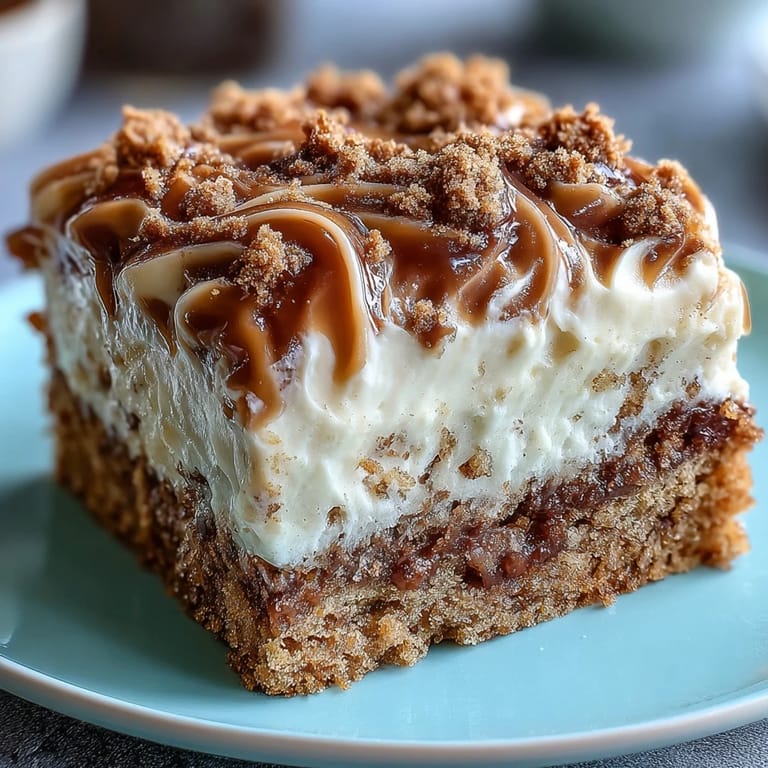
- Gently fold in the crushed Biscoff biscuits and Lotus spread with a rubber spatula, using broad strokes to keep the batter airy. You want ribbons of spread and pockets of cookie crunch throughout.
- Bake Until Golden:
- Pour the batter into your prepared pan, smooth the top, and bake for 35 to 40 minutes. A toothpick inserted in the center should come out clean or with just a few moist crumbs clinging to it.
- Cool Completely:
- Let the cake rest in the pan for 10 minutes, then turn it out onto a wire rack. Don't frost it while it's even slightly warm or the frosting will slide right off.
- Make the Frosting:
- Beat the softened butter until smooth and pale, then gradually add powdered sugar on low speed to avoid a sugar storm in your kitchen. Mix in the Lotus spread, heavy cream, and a pinch of salt, then beat on medium-high for 3 minutes until the frosting is light, fluffy, and spreadable.
- Frost and Decorate:
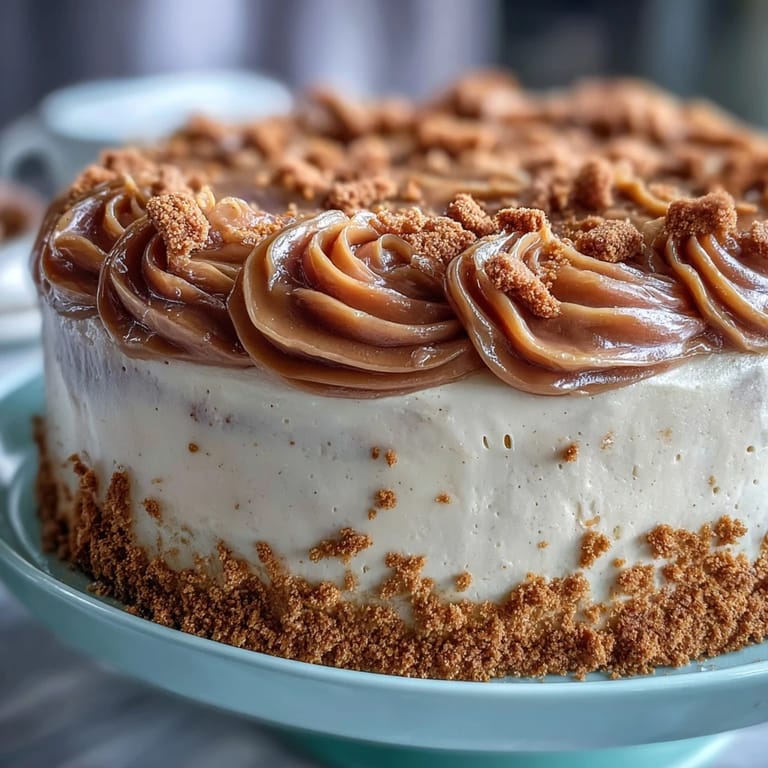
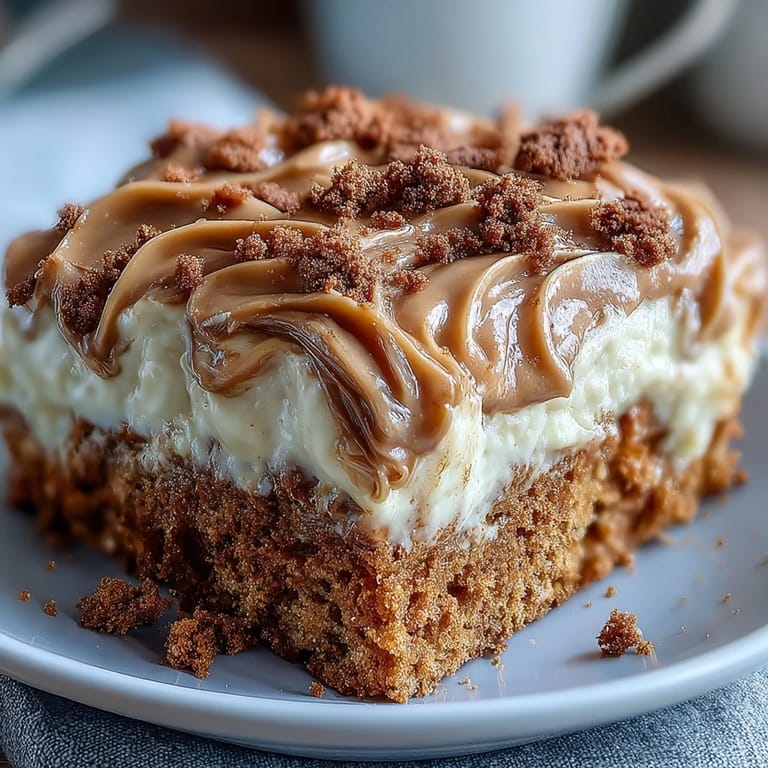
- Once the cake is completely cool, spread or pipe the Lotus frosting generously over the top and sides. Sprinkle crushed Biscoff biscuits on top and drizzle extra Lotus spread if you're feeling indulgent.
 Save
Save The first time I sliced into this cake, I realized it wasn't just dessert, it was a conversation starter. My brother-in-law, who usually skips sweets, came back for a second slice and asked if I could make it for his birthday. My niece scraped frosting off the serving knife when she thought no one was looking. It's become the cake I bake when I want to make people feel cared for without saying a word.
Storing and Serving
This cake stays moist and tender for up to three days in an airtight container at room temperature, which makes it perfect for baking ahead. I've found it tastes even better on day two when the flavors have had time to settle and meld together. If you live somewhere warm or humid, store it in the fridge and bring it to room temperature before serving so the frosting softens back up. Pair it with strong coffee or black tea to balance the sweetness, and watch how quickly it disappears.
Customizing Your Cake
You can fold in chocolate chips, chopped pecans, or even a handful of toffee bits into the batter for extra texture and flavor. I've swapped half the Lotus spread in the frosting for cream cheese when I wanted something tangier, and it worked beautifully. If you're feeling fancy, bake the batter in two 8-inch pans instead of one 9-inch and stack them with frosting in between for a layered showstopper. Some people like to brush the cooled cake with a little coffee syrup before frosting, and honestly, that's genius.
What to Watch For
The biggest mistake is overmixing once the flour goes in, which develops too much gluten and makes the cake dense and chewy instead of light. Don't skip the sifting step either, lumps of baking powder or flour can create uneven pockets that bake unevenly. If your frosting looks curdled after adding the Lotus spread, keep beating it on high for another minute and it will come back together into silky perfection.
- Use a toothpick to check doneness, it should come out clean or with just a few moist crumbs.
- Let the frosting come to room temperature before spreading if you've refrigerated it, cold frosting tears the cake.
- Crush the Biscoff biscuits into varied sizes, not uniform crumbs, for better texture contrast.
 Save
Save This cake has a way of making ordinary afternoons feel a little more special, whether you're sharing it with a crowd or sneaking a slice alone at the counter. Bake it once, and I promise it'll become your go-to when you want to impress without the stress.
Recipe FAQs
- → What makes Biscoff cake special?
The unique combination of spiced cookie biscuits swirled through a vanilla sponge, topped with creamy Lotus frosting creates that distinctive caramelized flavor and texture that sets this dessert apart from traditional cakes.
- → Can I make this cake ahead of time?
Yes, the cake layers can be baked one day in advance. Wrap cooled layers tightly in plastic wrap and store at room temperature. Frost the cake on the day you plan to serve it for the freshest taste and texture.
- → What can I use instead of Lotus spread?
While Lotus Biscoff spread provides that authentic spiced caramel flavor, you can substitute with other cookie butters like speculoos spread. For a different flavor profile, try peanut butter or chocolate hazelnut spread.
- → How do I know when the cake is done baking?
Insert a wooden toothpick into the center of the cake. If it comes out clean or with just a few moist crumbs, the cake is ready. The top should spring back lightly when touched gently.
- → Can I freeze this frosted cake?
It's best to freeze unfrosted cake layers. Wrap cooled layers completely in plastic wrap, then foil, and freeze for up to 3 months. Thaw overnight at room temperature before frosting and serving.
- → Why did my cake sink in the middle?
Sinking usually indicates underbaking or opening the oven door too early. Make sure your oven is properly calibrated, and avoid opening it during the first 30 minutes of baking. Also check that your leavening agents are fresh.