 Save
Save There's a moment every spring when I open the farmers market bag and suddenly remember why I live for this season. The asparagus was so fresh it practically sang when I bent it, and I thought about how my grandmother used to shave vegetables with this old peeler she'd owned forever—not because she had to, but because she understood that thin ribbons of something green catch the light differently than chunks ever could. That's when this salad started forming in my head, built on the idea that sometimes the simplest ingredients just need to be treated with a little respect and a bright lemon wake-up call.
I made this for a potluck where everyone brought something heavy and beige, and watching people actually set down their forks to pay attention to a salad felt like winning something. One person asked if the asparagus was blanched because the color was so vivid—nope, just treated kindly and dressed with enough lemon to make it sing. That's the moment I realized this wasn't just a side dish, it was a statement.
Ingredients
- Fresh asparagus (1 bunch, about 300 g): Snap off those woody ends by bending each stalk until it breaks naturally—your hands know where that point is better than any knife ever will, and the tender part is what deserves to be in this salad.
- Fresh or frozen green peas (1 cup, about 150 g): If you're using frozen, thaw them completely and pat them dry so they don't water down your dressing—this small step changes everything.
- Baby arugula or mixed spring greens (2 cups, about 50 g): The peppery bite from arugula is what makes this salad feel awake instead of sleepy, but use whatever feels fresh and bright at your market.
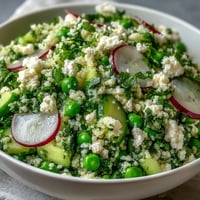
- Radishes (2 radishes, thinly sliced): These aren't just for color—they bring a crisp snap that keeps every bite interesting and cuts through the richness of the cheese and nuts.
- Shaved Parmesan cheese (1/4 cup, about 30 g): Use a vegetable peeler to shave it yourself and you'll taste the difference compared to pre-grated—it melts slightly against the warm salad and feels luxurious without being fussy.
- Toasted pine nuts or slivered almonds (1/4 cup, about 30 g): Toast them yourself in a dry pan just until they smell golden—that two-minute investment gives you nutty depth that raw nuts never achieve.
- Extra-virgin olive oil (3 tbsp): This is where quality actually matters because there's nowhere for mediocre oil to hide in a simple dressing.
- Freshly squeezed lemon juice (2 tbsp): Bottled lemon juice is convenient but it tastes flat and tired—fresh juice carries brightness that makes everything else taste more like itself.
- Lemon zest (1 tsp): Those little flecks of peel contain the most concentrated lemon flavor, so don't skip it even though it seems small.
- Honey or maple syrup (1 tsp): A whisper of sweetness rounds out the acidity and makes the dressing feel balanced instead of sharp.
- Dijon mustard (1 tsp): This tiny amount acts like an emulsifier and adds a subtle sophistication that transforms the dressing from basic vinaigrette to something worth noticing.
- Sea salt (1/2 tsp) and freshly ground black pepper (1/4 tsp): Grind your own pepper if you can—the flavor is so much more alive than pre-ground, and these are your final tuning knobs for making the salad taste like the best version of itself.
Tired of Takeout? 🥡
Get 10 meals you can make faster than delivery arrives. Seriously.
One email. No spam. Unsubscribe anytime.
Instructions
- Shave that asparagus:
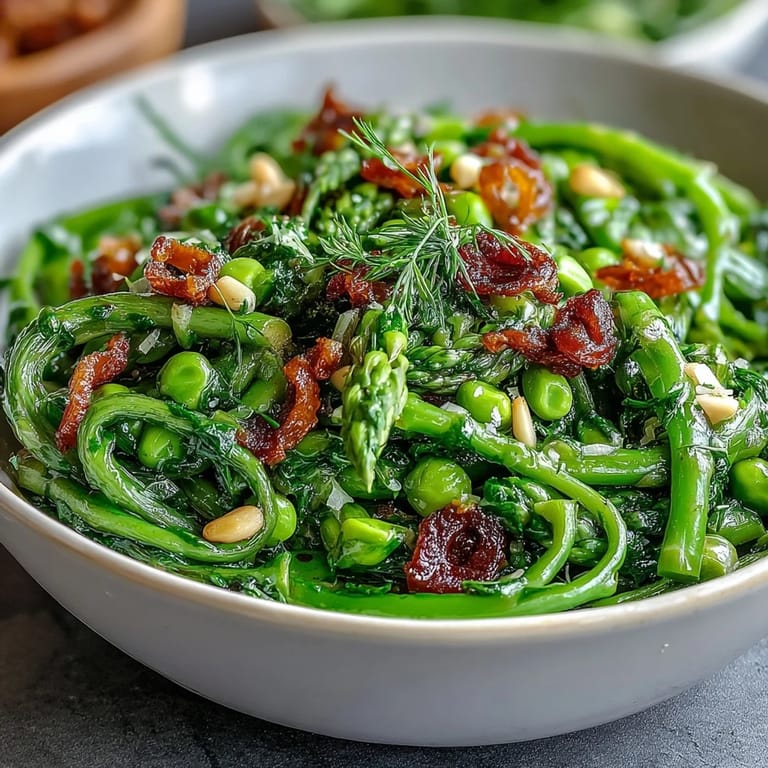
- Hold the stalk at an angle and run your vegetable peeler down the length, creating thin ribbons that curl slightly—you're looking for the satisfying sound of the peeler working through something crisp and fresh. Once you shave one, you'll understand why this changes the whole texture of the salad.
- Build your salad base:
- Toss the asparagus ribbons, peas, greens, and radishes together in a large bowl, being gentle enough to keep the leaves intact but thorough enough so everything meets. The bowl should look like a scattered garden, vibrant and casual.
- Shake your dressing:
- In a small jar or bowl, whisk the olive oil, lemon juice, zest, honey, mustard, salt, and pepper until the dressing thickens slightly and the oil and lemon emulsify together—you'll see it go from separated and thin to something that clings to a spoon. This is the moment the dressing stops being ingredients and becomes magic.
- Marry it all together:
- Drizzle the dressing over the salad and toss with the gentleness of someone handling something they don't want to break—you're coating everything in brightness, not drowning it. Taste at this point because your palate, not a recipe, should tell you if it needs more salt or lemon.
- Finish with the crunch and umami:
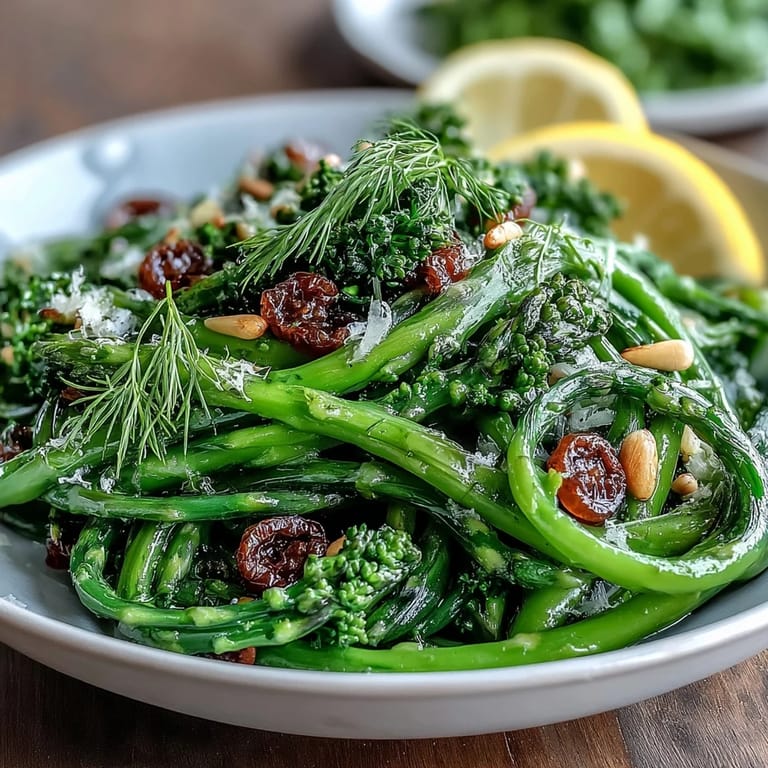
- Scatter the shaved Parmesan and toasted nuts over the top or toss them in, whichever feels right in that moment. Serve immediately while everything is still crisp and the dressing hasn't softened the greens into submission.
 Save
Save My friend who usually orders the same thing at every restaurant tried this and asked me to write down what was in it, which never happens. That's when I realized that sometimes the best food isn't the most complicated—it's just ingredients that taste like themselves, arranged so you can taste them better together than apart.
The Shaving Technique That Changes Everything
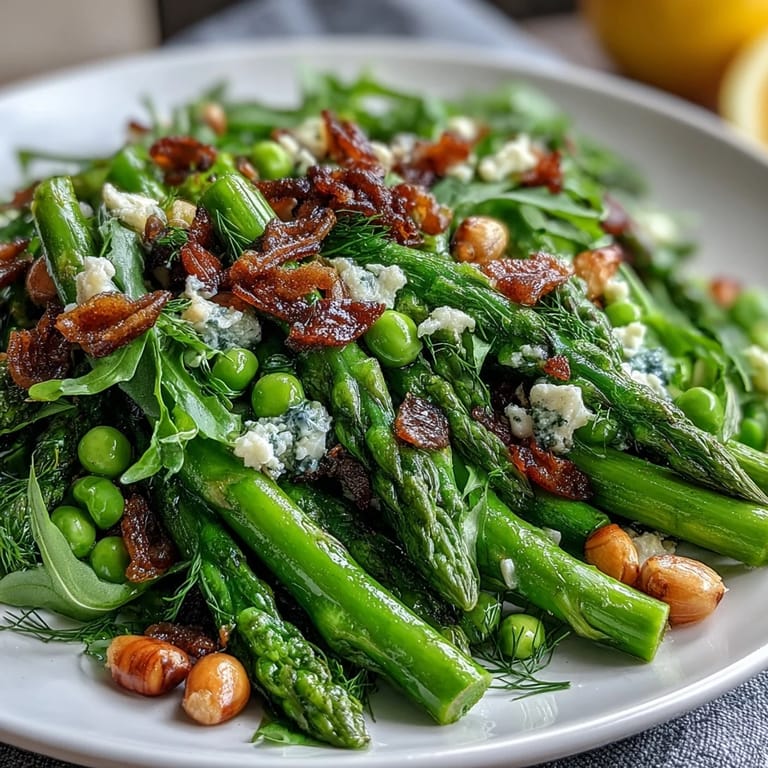
The first time I shaved asparagus instead of cutting it, I was skeptical because it felt like a waste of time—surely just chopping it up would be easier. But that moment when the peeler caught the stalk and created these translucent ribbons that caught the kitchen light, I understood. The thinness means the asparagus tastes more delicate and absorbs the dressing better, and it creates this elegant presentation without any fussing or special skills. It's one of those kitchen moves that feels more impressive than it actually is, which is exactly the kind of trick worth knowing.
Why This Works as Both Lunch and a Dinner Side
I've served this alongside grilled fish when I wanted something light and bright, and I've also packed it for lunch the next day when I needed something that felt like more than just eating what was in the fridge. The beauty is that it works in both contexts because it's not trying to be a main course pretending to be a salad, nor is it a sad desk lunch in a plastic container—it's something that stands on its own while also knowing its place in a larger meal. The lemon dressing is assertive enough that it doesn't fade into the background, but not so heavy that it makes you feel weighed down.
Seasonal Swaps and Flavor Riffs
Spring is when this salad sings, but I've experimented with variations depending on what looked good at the market that day and what I was in the mood for. The formula is really just about respecting whatever vegetable you're working with and trusting the lemon dressing to do the heavy lifting—it's flexible enough to handle change without losing its soul. Some days I add fresh mint or basil if the herb situation is calling to me, other times I use sugar snap peas instead of regular peas for extra crunch, and once I even threw in some blanched fava beans which turned out to be brilliant.
- Swap the pine nuts for walnuts, pecans, or even sunflower seeds if that's what your pantry holds.
- Add fresh herbs like mint, basil, or dill right before serving so they stay bright and don't turn dark and bruised.
- If you're feeding someone without dairy, skip the cheese entirely because the salad stands on its own without it.
 Save
Save This salad taught me that sometimes the most memorable meals aren't the ones that took hours to make—they're the ones where someone took five minutes to really listen to what fresh ingredients wanted to be. Serve it to people who notice such things.
Recipe FAQs
- → What is the best way to shave asparagus for this dish?
Use a vegetable peeler to slice the asparagus stalks into thin, delicate ribbons for a tender but crisp texture.
- → Can frozen peas be used instead of fresh?
Yes, thawed frozen peas work well and maintain the dish's sweetness and texture.
- → How can I add extra crunch to the salad?
Toasted pine nuts or slivered almonds provide a subtle crunch that complements the tender vegetables.
- → What flavors are in the lemon dressing?
The dressing balances bright lemon juice and zest with honey's sweetness, a touch of Dijon mustard, and olive oil for richness.
- → Are there vegan alternatives for the cheese?
Yes, plant-based cheese substitutes can replace Parmesan for a dairy-free version without sacrificing flavor.
- → What greens work well besides arugula?
Baby arugula, mixed spring greens, or even baby spinach add fresh, peppery notes and texture variety.